
✳︎
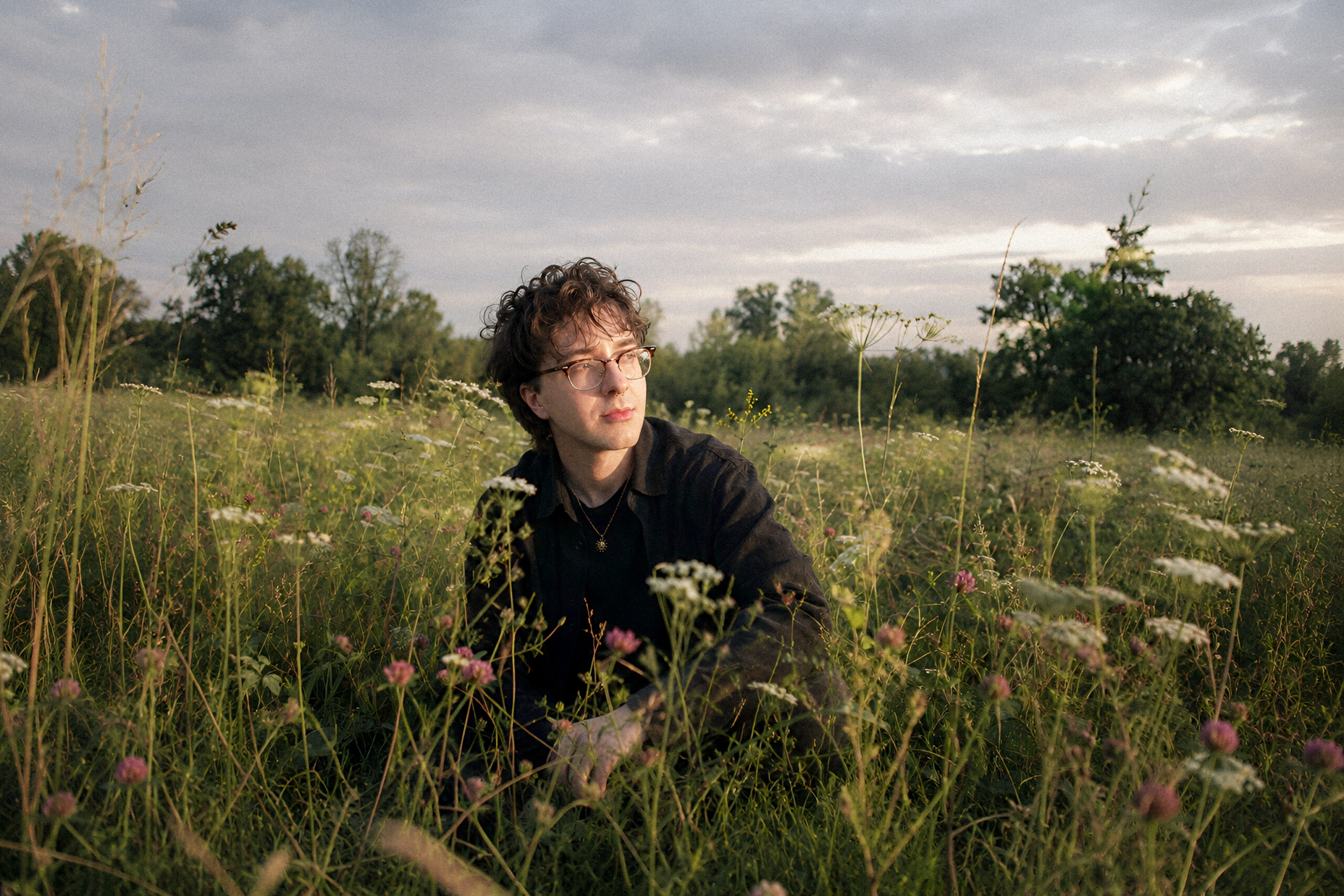
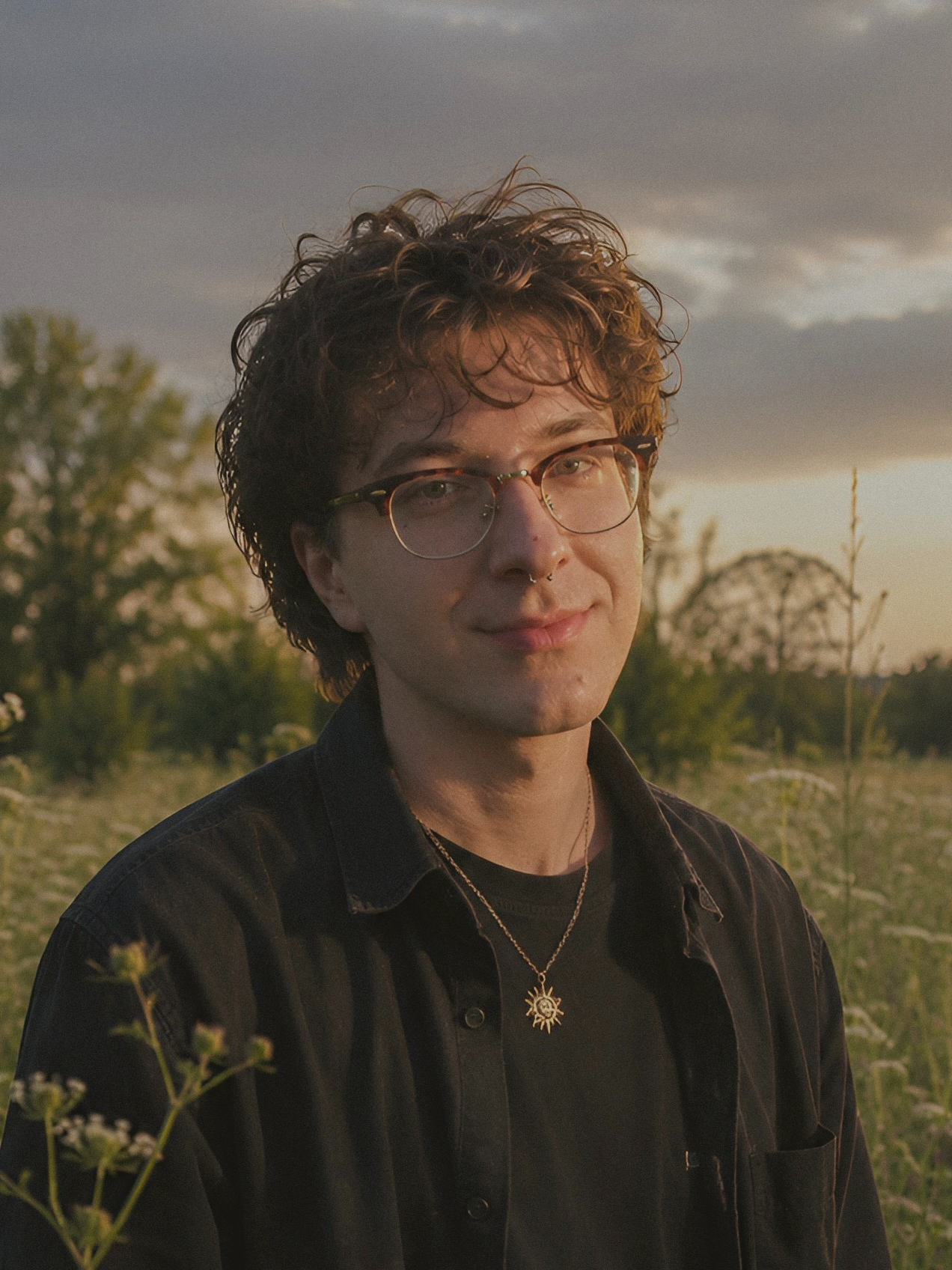
Hi, I’m Konstantyn Petertil.
I’m a clinical aromatherapist, aromalogist, and writer.
My work revolves around scent, but rarely in the way people expect.
While I love essential oils and aromatherapy, I’ve always been interested in the larger world surrounding them: the history of fragrance, the science of smell, forgotten aromatic plants, ancient manuscripts, sacred incense, traditional medicine, perfumery, philosophy, and the countless ways humans have used aroma to understand themselves and the world around them.
This website is where all those interests meet.
For years, I searched for writing about scents that felt complete.
I found excellent scientific articles explaining receptors, neurotransmitters, and volatile molecules. I found fascinating historical accounts of incense, trade routes, and medicinal plants. I found discussions of ritual, symbolism, and culture.
What I rarely found was all of those things in one place.
So I decided to build the kind of website I wanted to read.
Here, you’ll find articles that move freely between essential oil chemistry and ancient manuscripts, between neuroscience and folklore, between botanical research and cultural history.
Some articles are practical. Others are historical, philosophical, or simply explorations of ideas that captured my attention. Together, they reflect my ongoing fascination with scent and the many ways it shapes human experience.
Three words that guide my work:
Curiosity
The question why? has taken me from essential oils to olfactory receptors, from herbal traditions to ancient manuscripts, and from aromatic plants to the history of human perception. Most of what I write begins with curiosity.
Memory
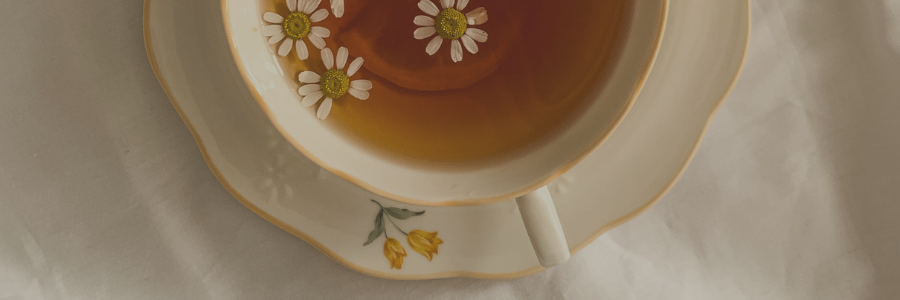
Scents have an extraordinary ability to preserve moments and transport us through time. A perfume, a flower, or a cup of chamomile tea can awaken places, people, and emotions long forgotten. I am fascinated by the ways aroma connects us to both personal memories and collective histories.
Connection
I am drawn to the hidden threads linking seemingly unrelated subjects. A single aroma can open discussions about chemistry, trade, religion, psychology, art, and memory. I believe the most interesting discoveries often happen between disciplines.
✳︎
This fascination with scent began long before I discovered aromatherapy.
As a child, I smelled everything: blooming flowers, roots pulled from the ground, delicious foods, scented candles, family members’ perfumes, the fur of our animals.
One of my earliest scent memories comes from the old house where my family lived when I was very young. It had a damp, slightly moldy smell that, strangely enough, I still associate with comfort and home.
I also remember my mother’s perfume. She wore Crystal Noir by Versace, and years later I can still recall the scent on her clothes.
Looking back, I realize that smell was already teaching me something important: scents have a remarkable ability to preserve moments and transport us through time.
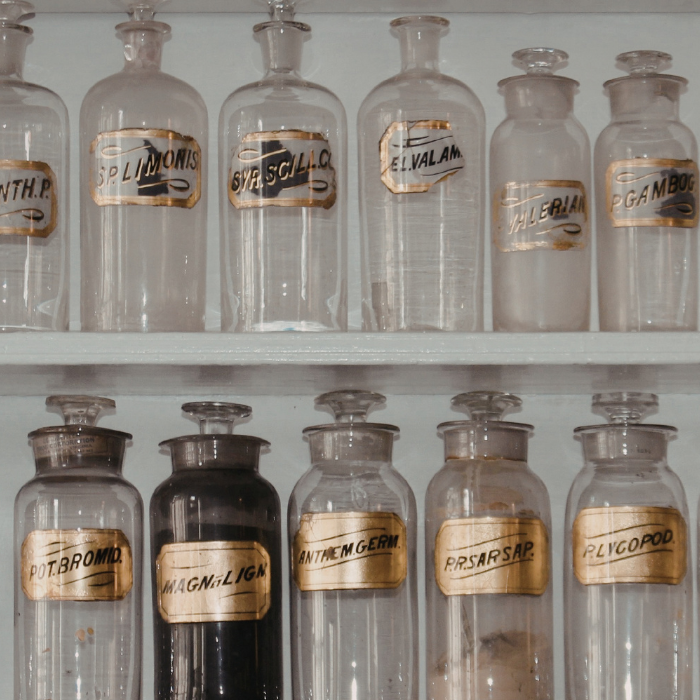
My path into aromatherapy began through herbalism and the creation of herbal incense blends. At some point, I decided to experiment with essential oils. The first bottle I purchased was Atlas cedarwood. Looking back, it was probably not the finest quality oil in the world, but I still remember how deeply it moved me.
But more I learned, the more questions I had.
Simple explanations such as “lavender helps with sleep” or “peppermint helps with headaches” never felt sufficient.
When I learned that peppermint contains menthol, I wanted to know why menthol worked. That curiosity eventually led me into pharmacology, olfactory science, and stacks of printed research papers that I would read one after another.
What started as an interest in essential oils gradually became an interest in scent itself. My perspective was also shaped by time spent in China. Seeing traditional medicine remain part of everyday life encouraged me to look more deeply into my own Eastern European herbal traditions and sparked a lasting interest in ethnobotany and cultural relationships with plants.
Scent doesn’t exist in isolation. Every aroma is connected to something larger: a plant, a landscape, a culture, a ritual, a memory, or a moment in history. To follow those connections is one of the most rewarding forms of exploration.
✳︎
At some point, I realized that scent is far larger than aromatherapy alone.
Aroma is chemistry, certainly.
But it is also memory.
Culture.
History.
Identity.
Atmosphere.
Story.
I cannot smell frankincense without thinking of ancient Arabia, temple rituals, and Nero’s famous funeral pyre. I cannot smell clove bud without remembering the spice trade and the conflicts fought over a handful of islands in the Moluccas. Patchouli brings to mind silk traveling from India to Europe, its leaves tucked between precious fabrics to repel moths during long sea voyages. Basil reminds me of centuries of Orthodox tradition, while chamomile evokes generations of Eastern European mothers and grandmothers who steeped its flowers as a remedy, comfort, and daily ritual.
Every aroma carries a history.
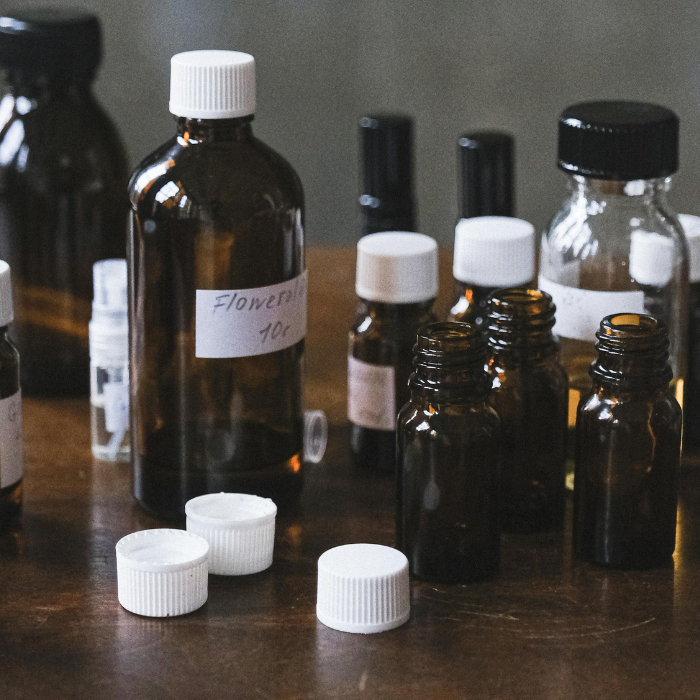
This realization eventually led me to create the term aromalogist.
I use it to describe someone who studies aroma in its broadest sense: the biology of smell, the psychology of perception, the evaluation of aromatic materials, cultural traditions, historical uses, ritual practices, and the many ways scent shapes human experience.
Whether anyone else uses the word or not, I find it useful. If it already exists, I am happy to join the club. If not, perhaps we can build it together.
I am particularly interested in the connections between seemingly unrelated fields. The history of perception can inform aromatherapy. Ancient architecture can reveal something about ritual experience. A single essential oil can lead to discussions about chemistry, trade, religion, psychology, and art.
Above all, I believe we use scent far less intentionally than we could.
The sense of smell is one of our most powerful and least appreciated senses. It influences mood, memory, behavior, appetite, wellbeing, and our experience of the world itself. Yet most of us rarely stop to think about it.
Perhaps that’s why I keep exploring.
Warmly,
Konstantyn Petertil