
It was not my first journey to Turkey. On my previous visits, however, I had mostly been occupied by the country’s archaeological and architectural heritage. I have a weakness for old stones: ruined churches, ancient mosaics, imperial mosques, forgotten monasteries, and anything else that allows me to imagine the people who once stood in the same place.
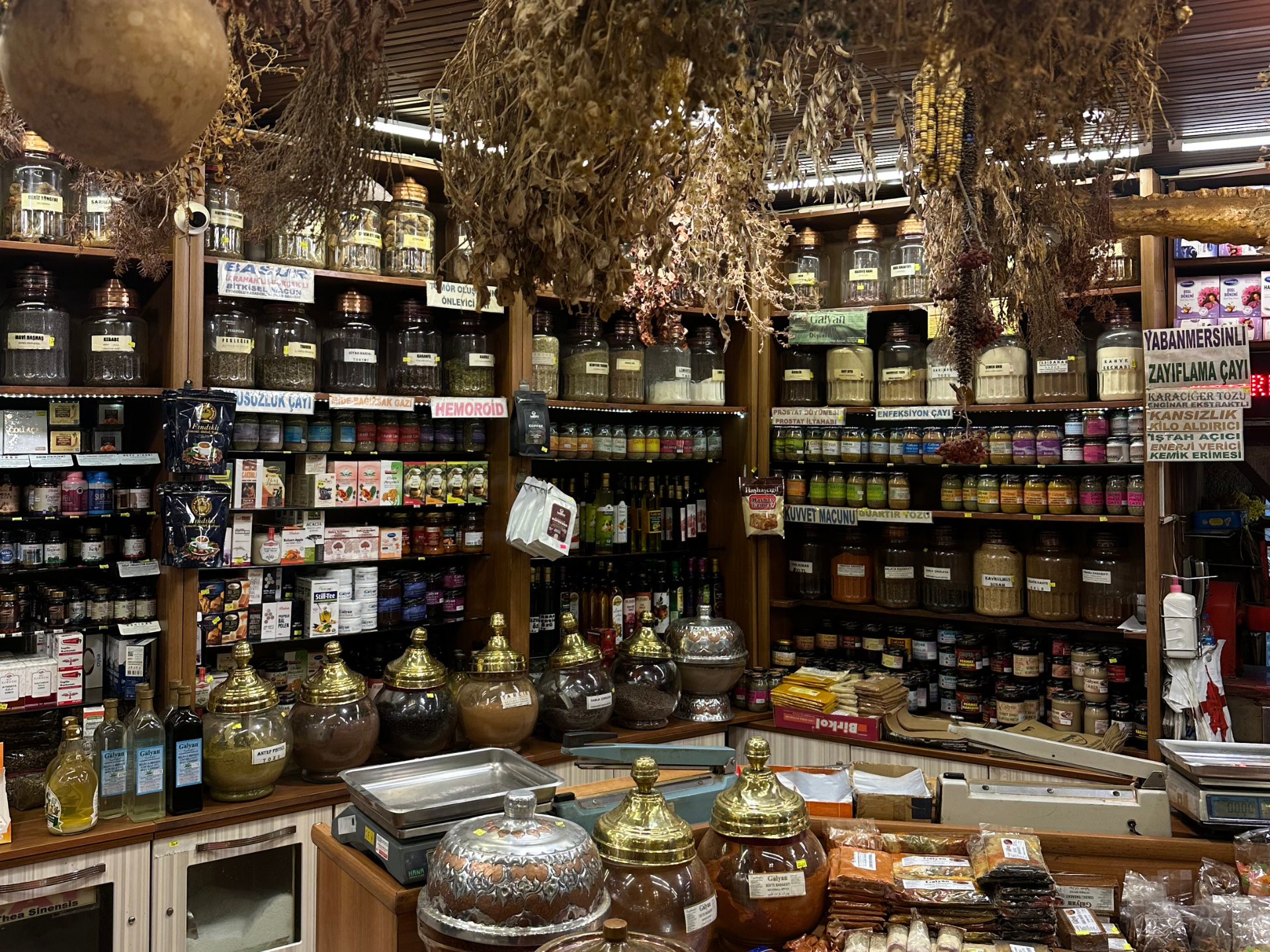
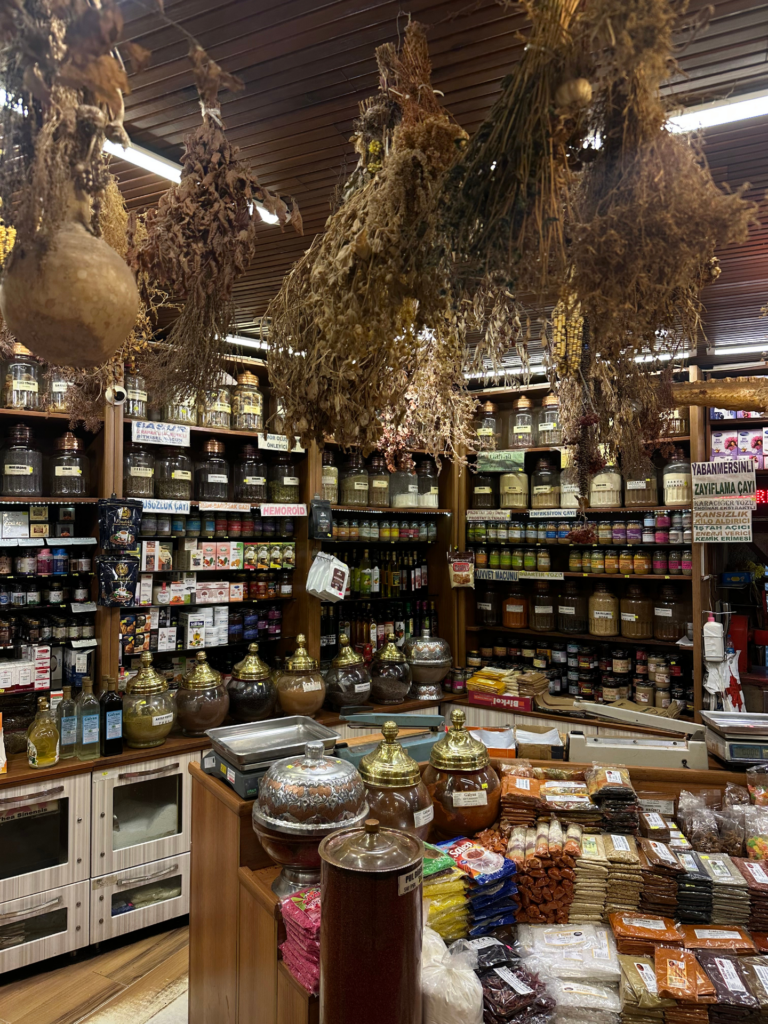
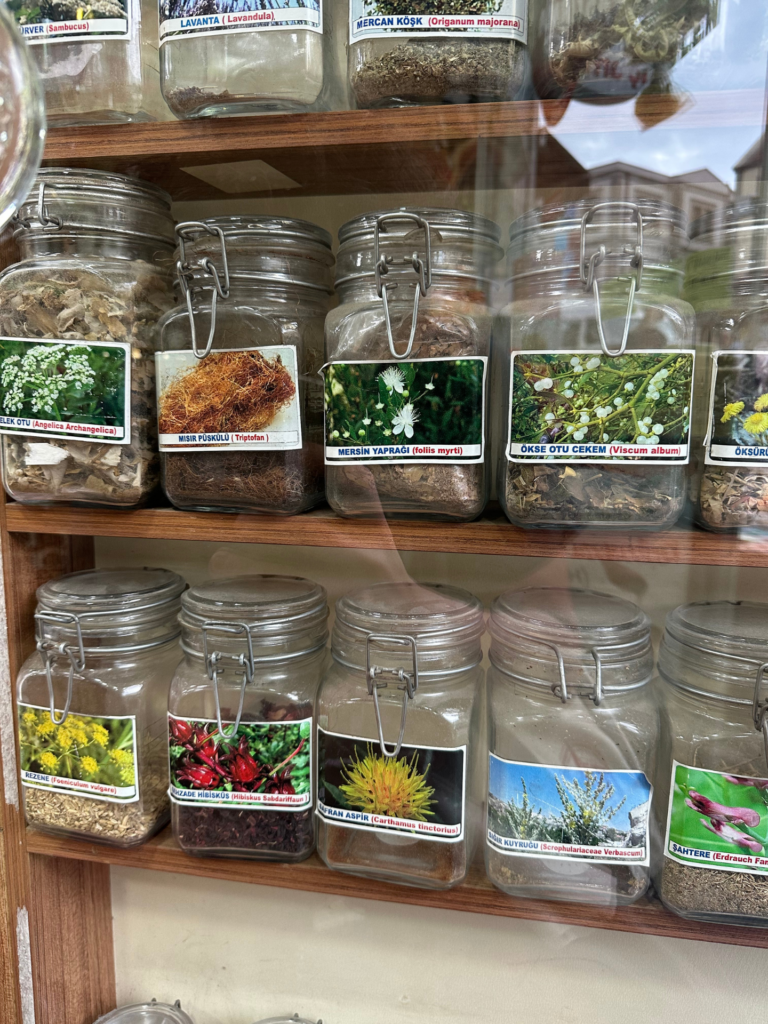
This time, I stayed long enough to begin noticing quieter forms of heritage. As I walked through Istanbul and, later, Trabzon, I repeatedly passed small shops filled with herbs, spices, teas, soaps, oils, and mysterious jars of dried materials. Many of them had the same word written above the door: aktar.
At first, I assumed that aktar simply meant “herbal shop.” The translation seemed obvious enough. Yet the more shops I visited, and the more I read about their history, the more I realized that this small word contained an entire world of trade, pharmacy, perfumery, and traditional medicine.
By the time I returned home, I felt that I had only touched the surface of Turkey’s aromatic heritage. The more I learned, the less the aktar looked like an ordinary shopkeeper and the more the shop itself seemed like a meeting place: between local plants and distant trade routes, household remedies and learned medicine, Ottoman history and the needs of people living in Turkey today.
Who, or what, is an aktar?
The word appears in modern Turkish as aktar, although older sources usually use attâr. It comes from the Arabic ʿiṭr (عطر), meaning fragrance or perfume. That etymology immediately evokes rosewater, musk, incense, and precious aromatic substances, but historically, an attâr sold far more than pleasant smells. TDV Islamic Encyclopedia describes the attâr as a seller of perfumes, medicinal plants, and the materials used to make medicines. In some Arabic sources, the word could even overlap with terms for a pharmacist or druggist. Attâr markets existed across the medieval Islamic world, including famous specialized markets in Fustat and Damascus, long before Istanbul became the center of the Ottoman Empire (Sarı, 1991).
The trade known as aktarlık included much more than herbalism in the narrow modern sense, and translating aktar simply as “herbalist” feels inadequate. A herbalist suggests someone whose work is centered specifically on plants. An aktar’s traditional inventory crossed the boundaries between several trades:
- medicinal herbs and pharmaceutical raw materials;
- spices and culinary ingredients;
- perfumes and aromatic substances;
- incense, gums, and resins;
- oils, waters, and cosmetics;
- dyes and other materials required by craftspeople.
The profession developed in a world in which medicine, food, fragrance, cosmetics, and ritual were not divided into the neat commercial categories we recognize today.
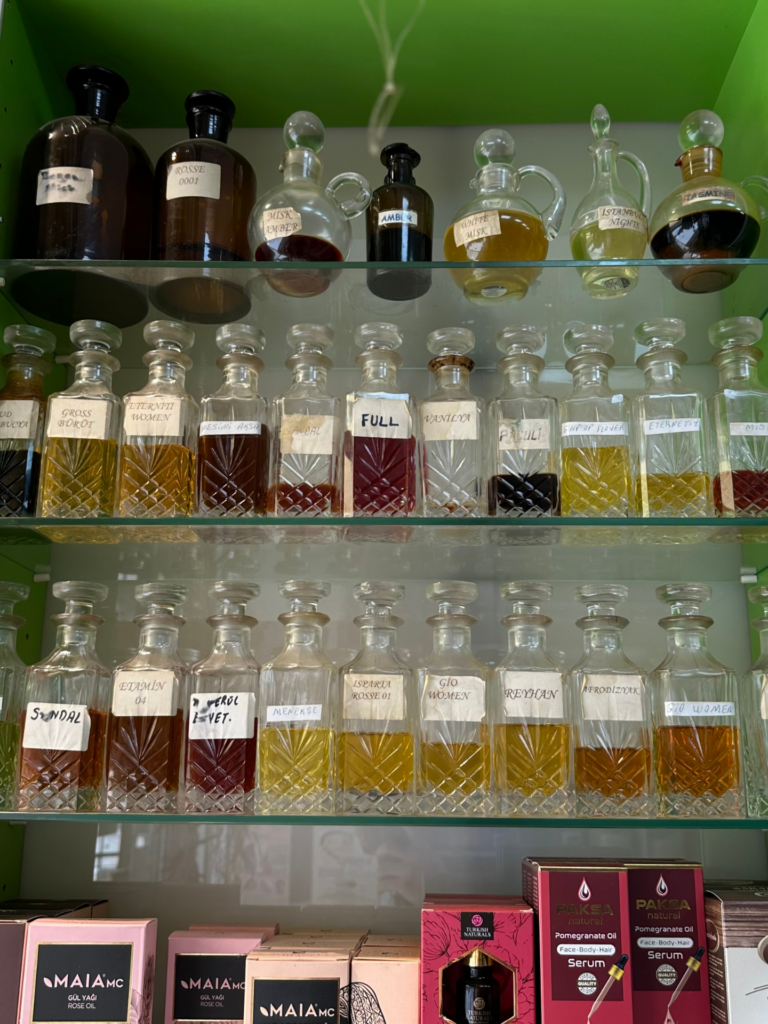
Rosewater could scent the body, flavor a dessert, cool a medicinal preparation, or welcome a guest. Frankincense could be burned, chewed, or mixed into a compound remedy. Saffron could color food, perfume a formula, and announce that someone had been able to afford one of the most expensive plant materials on the market.
The aktar stood at the point where these uses met. He sold substances whose meaning changed according to the person buying them. A resin might be incense to one customer, medicine to another, and a raw material for a perfumer or craftsman to a third.
A profession learned through the senses
The old aktar’s knowledge was intensely material: he (historically, the profession was largely male-dominated) had to know what a good drug looked and smelled like, how long it could be kept, how easily it absorbed moisture, what insects attacked it, and how to recognize an inferior substitute.
A dried root rarely arrives with a Latin label attached. Once cut, powdered, or stripped of its flowers and leaves, even an ordinary plant can become difficult to identify. Resins and spices also varied according to origin, age, storage, and the number of hands through which they had passed. This was knowledge learned by touching, smelling, tasting, weighing, grinding, and comparing. An apprentice not only memorized plant names, but he also learned the texture of a fresh resin against an old one, the strength of an aromatic seed when crushed, the way a spoiled material changed color or taste, and how much a substance should cost in relation to its quality. The profession belonged as much to the nose and fingers as to written recipes.
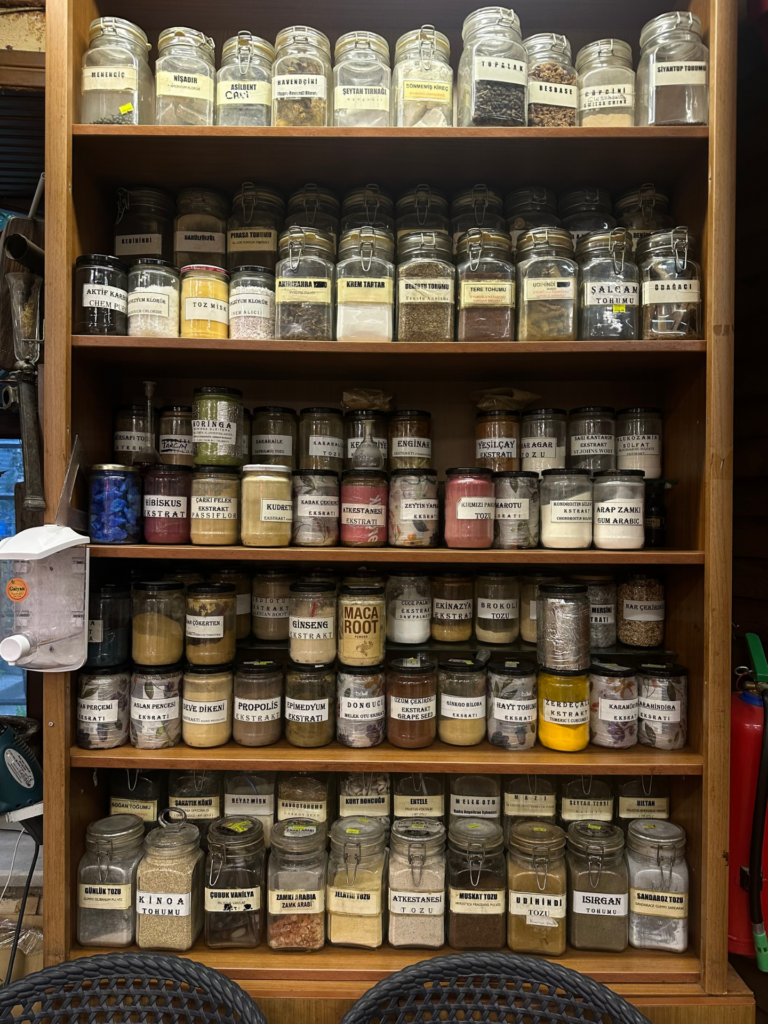
It was not an entirely oral world either, as Islamic pharmacy developed a substantial literature of formularies, known broadly as akrābādhīn, which recorded compound medicines and instructions for preparing them. Practical manuals were also written specifically for drug sellers and compounders. Their existence tells us that the attâr’s shop could sit close to learned medicine without becoming identical to the physician’s study (Sarı, 1991).
Ottoman sources distinguish between müfred drugs, ingredients used individually, and mürekkep medicines compounded from several substances. An aktar could sell a single root, resin, seed, or mineral, but he might also grind and combine materials into a macun, ointment, purgative, or strengthening preparation.
It is worth noting that this overlap between selling ingredients and preparing remedies would later become one of the main points of conflict between aktars and formally licensed pharmacists.
How aktarlık changed
Like many Ottoman trades, aktarlık was commonly transmitted through apprenticeship and family connections. This helps explain something I noticed in the neighborhood shops: the person behind the counter was often not simply an employee. Sometimes I was speaking with the owner; elsewhere, with the owner’s son or another relative who had grown up around the shelves. The shop carried a family history even when its products looked completely modern.
The nineteenth century changed the profession profoundly. European-style pharmacies expanded, pharmaceutical education became increasingly formalized, and the Ottoman state attempted to define who could prepare and sell medicines.
Regulations introduced during the 1860s and the later Aktars and Root-Sellers Regulation of 1884/1885 progressively pushed aktars away from prescription compounding and restricted their access to poisonous substances and proprietary medicines (Aktar & Cebe, 2014; Sezik, 2014).
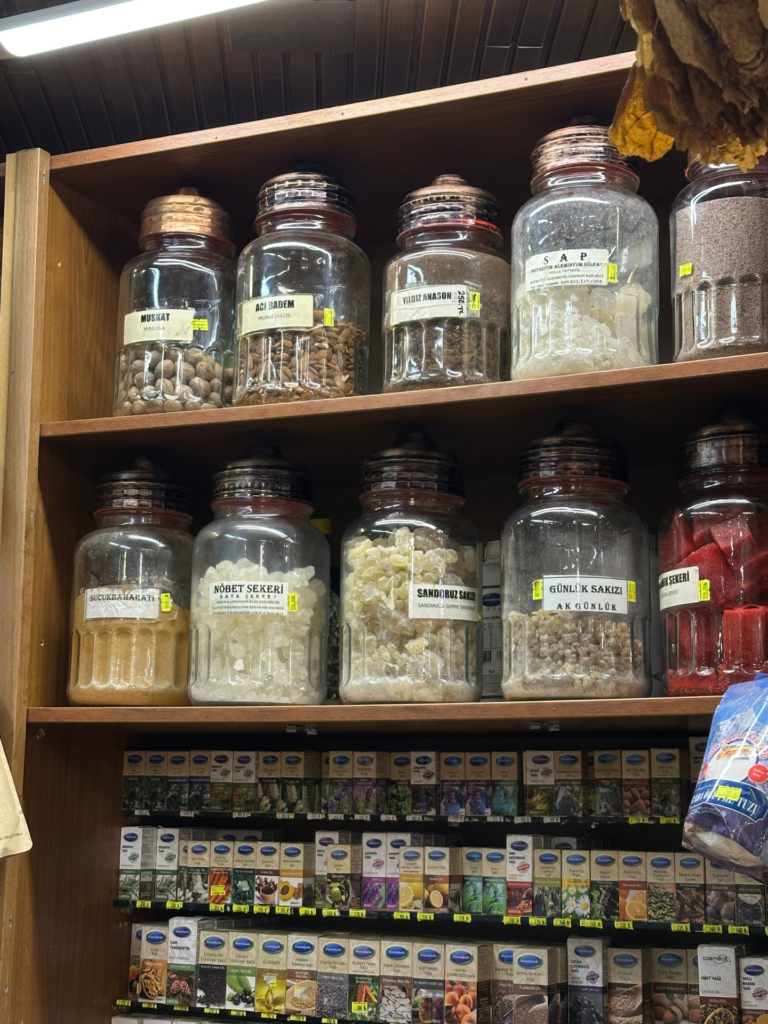
However, the profession did not disappear; it changed its center of gravity. The modern aktar inherited the herbs, spices, resins, oils, teas, and traditional preparations of the older trade, then made room for packaged cosmetics, shampoos, soaps, supplements, perfumes, essential oils, and whatever else customers expected to find under the broad promise of “natural.”
I initially saw this modern inventory as evidence that something had been lost. Gradually, I began to see it as evidence that the profession was still alive.
A historical shop preserved exactly as it looked in 1750 would be a museum. A living shop has rent to pay, trends to follow, regular customers to satisfy, and a family to support. Its shelves change because the world around it changes too.
Beyond the Spice Bazaar
The most famous place associated with aktars in Istanbul is the Mısır Çarşısı, known in English as the Egyptian Bazaar or Spice Bazaar. Historically, it was one of the great centers of the city’s spice, aromatic, and medicinal-material trade. For many visitors, it is still the obvious place to begin exploring Turkish herbs.
I expected to love it. In reality, the shops I entered there were among the least interesting aktars of my trip.
The displays were undeniably beautiful: pyramids of colored spices, lokum, dried fruits, teas, oils, and shining packets arranged for tourists. Yet I repeatedly encountered the same products, the same mixtures, and the same unlabeled herbal blends. Much of it felt designed to give visitors an immediately recognizable “spice market” experience rather than to reveal how people in Turkey actually use herbs.
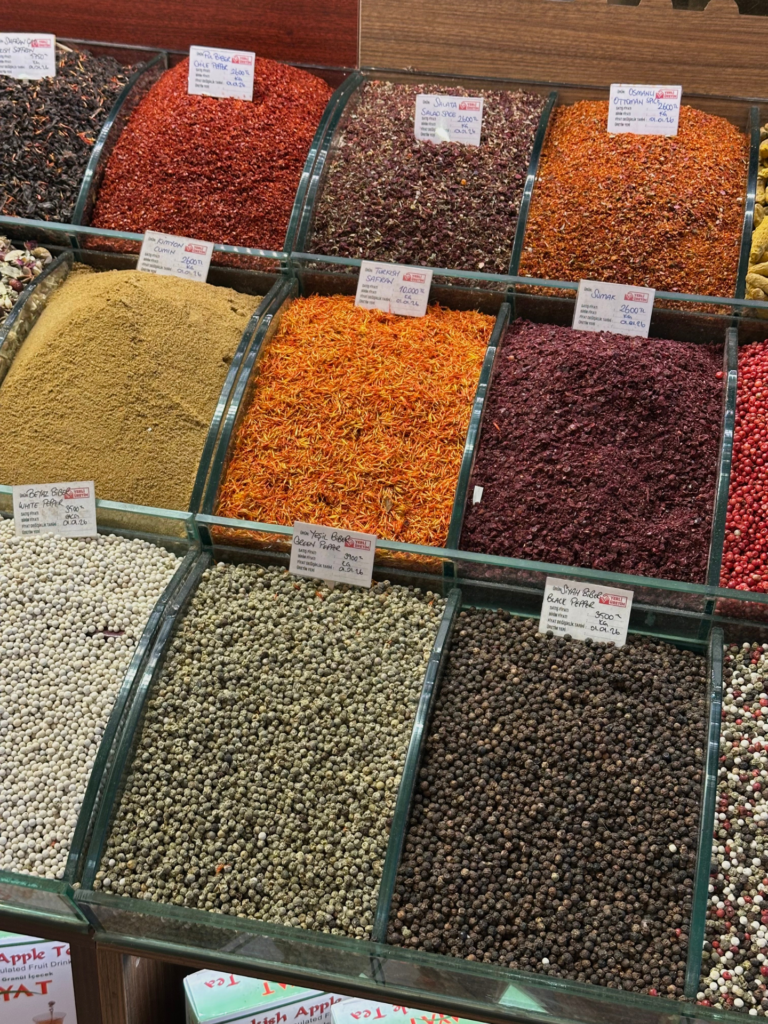
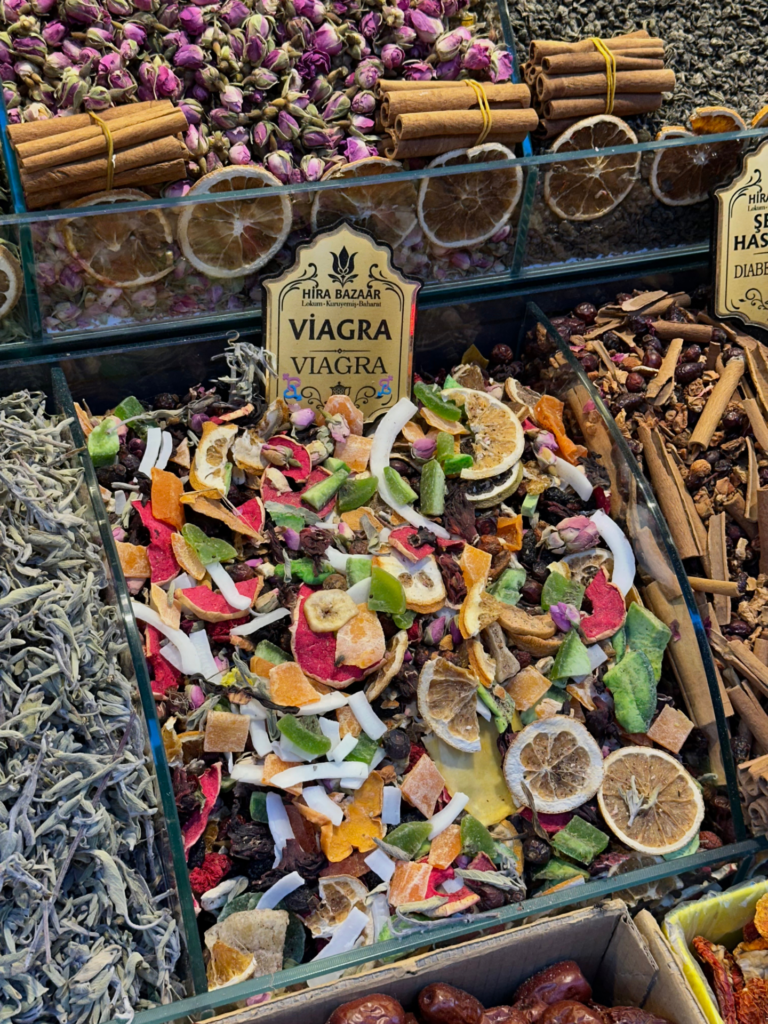
The bazaar remains historically important, and there are certainly merchants there with deep specialist knowledge. Still, I quickly realized that the version of herbal culture arranged for tourists was not the version I wanted to understand.
Naturally, I began moving away from the main routes and looking for shops that had no reason to perform tradition for me.
In the neighborhood aktar
The smaller aktars were entirely different. Some were modest family businesses squeezed between bakeries, hardware stores, barbers, and neighborhood groceries. Their signs were less photogenic, their shelves less symmetrical, and their products far more revealing. Nothing seemed arranged to create the perfect image of an “authentic” herbal shop for visitors. These shops felt connected to the neighborhoods around them, as people came in quickly, sometimes greeting the person behind the counter by name, asking a question, collecting something familiar, and leaving again. The atmosphere was kind of intimate, and you could sense that the shop had grown around the habits of its customers.
There were loose herbs and spices, but also herbal shampoos, laurel soaps, cosmetic oils, massage preparations, packaged teas, honey, perfumes, and products that would look perfectly at home in a contemporary wellness store. Some shops carried surprisingly few local wild herbs. Others seemed to specialize in cosmetics or prepared mixtures rather than raw materials.
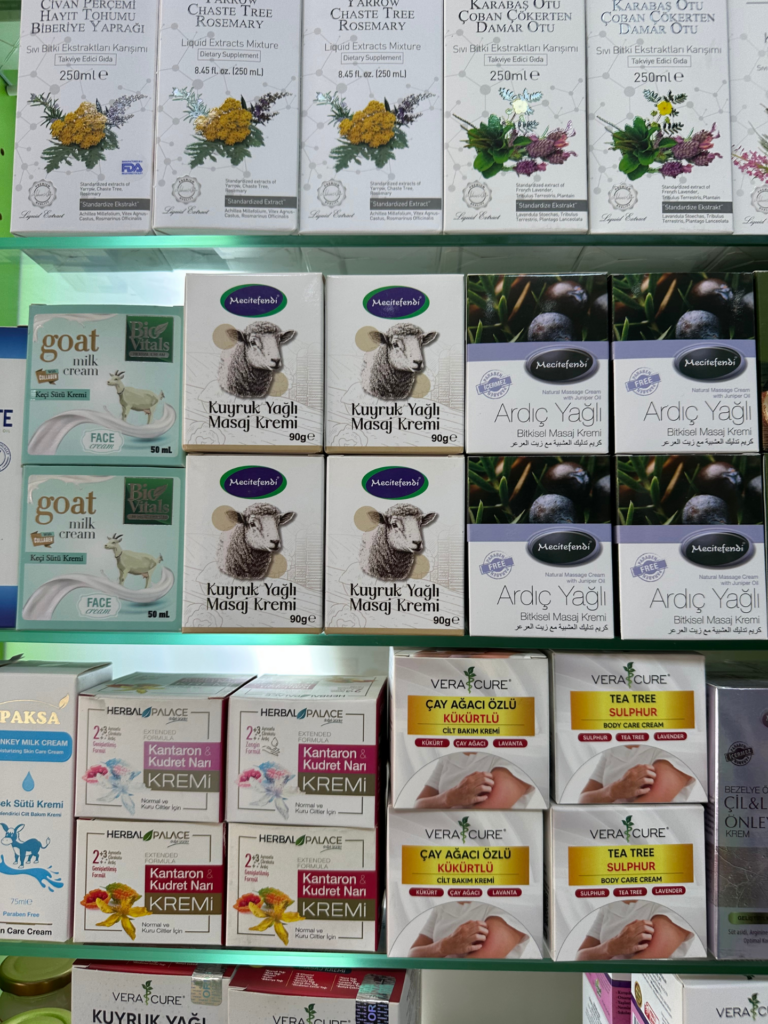
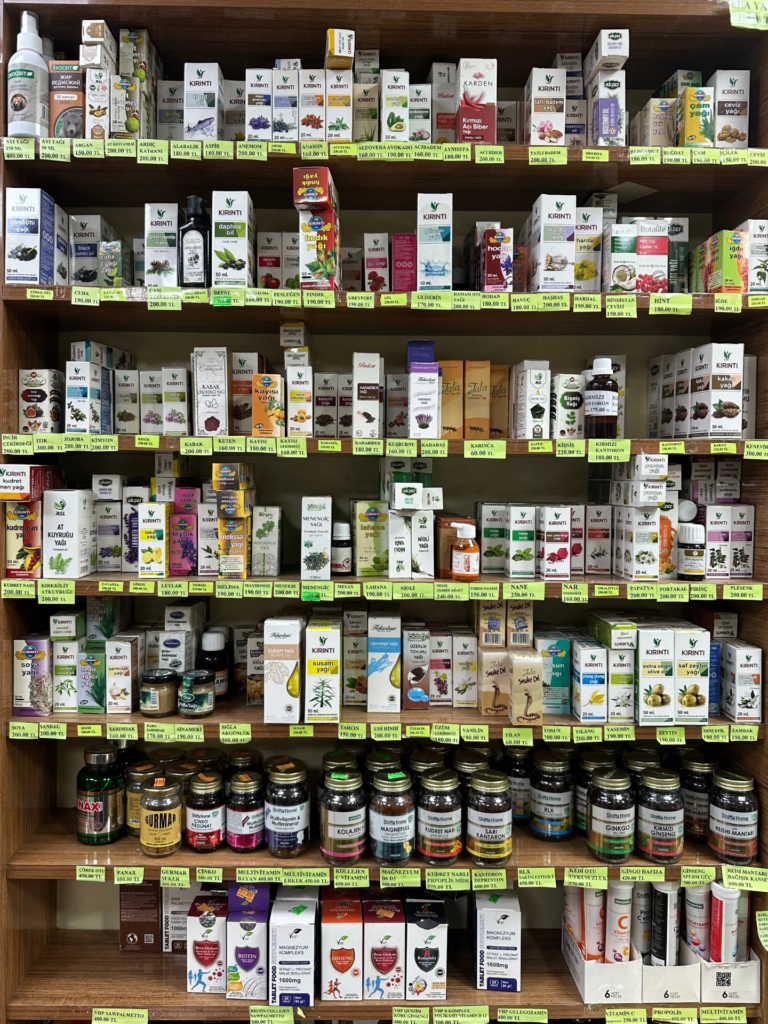
I cannot blame them. If customers want rose soap, black-seed oil, slimming tea, hair products, and inexpensive perfume, then those products become part of the modern aktar’s world.
Sociological fieldwork in İzmir found that contemporary customers were drawn to aktars for reasons that were themselves a mixture of old and new: family habit, affordability, dissatisfaction with other options, a preference for things perceived as natural, and the simple convenience of describing a problem without first obtaining a prescription (Bostancı Ege & Önder Erol, 2012). That description felt recognizable after only a few days of observing the shops myself.
“Abi, I have a headache…”
I understood the social role of the aktar most clearly in Trabzon. I spent a long time inside one particular shop, slowly examining the shelves while people entered and left. The shop was not crowded, but there was a constant movement of customers who clearly knew how the interaction was supposed to work.
They did not always enter asking for a named herb or a specific product. They brought a problem, and the exchanges sounded something like this:
“Abi (older brother), I have a headache. What do you recommend?”
or
“Efendi (Sir), I sprained my wrist while working on the construction site. Do you have any salve for me?”
The aktar did not need the customer to translate the complaint into a shopping list. Instead, he listened, turned toward the shelves, and brought them a tea, oil, ointment, or packaged preparation that made sense within the shared vocabulary of the shop.
That exchange was more interesting to me than any picturesque display of dried herbs. The customer was not simply purchasing an object. He was asking someone he trusted to interpret a bodily problem and connect it with a material solution. The shopkeeper’s authority lived in that movement from complaint to product. Suddenly, the historical ambiguity of the profession no longer felt abstract. The older attâr had also occupied the space between merchant, compounder, supplier, and adviser.
The products have changed, and the legal boundaries have changed, but the social expectation has not vanished: you can walk into an aktar with a problem and ask what might help.
“We were the Ottoman Empire”
At the beginning of the trip, I expected Turkish folk herbalism to be dominated by plants collected from nearby fields, forests, and mountains. I imagined laurel and oregano from Mediterranean hillsides, tea and forest plants around the Black Sea, and regional roots or flowers sold close to the places where they grew.
Local flora was certainly present, but the shelves were never limited to it. I found cinnamon, sandalwood, frankincense, mastic, imported seeds, exotic spices, and resins originating far beyond Anatolia. Initially, this felt almost insufficiently traditional. I was looking for the plants of the land, while the aktars kept showing me the plants of the world!
One shopkeeper answered my confusion with a comment that changed the way I looked at every shop afterward. His point was simple:
“We were the Ottoman Empire. We had merchants and trade routes. We had everything here. We were never limited to what the local soil gave us.”
Of course.
I had unconsciously equated folk medicine with geographical isolation, as though a tradition became less authentic the moment an ingredient crossed a border.
But Ottoman materia medica developed inside an empire connected to the Balkans, the Caucasus, Iran, the Arab provinces, the Mediterranean, and trade routes extending toward India and the Indian Ocean. Local collectors supplied wild plants, while merchants moved spices, gums, resins, aromatic woods, and other valuable materials between cities. And interestingly, research by Zunic & Masic (2015) on Ottoman-era attârs in Bosnia shows precisely this mixture: locally obtained medicinal plants existed alongside imported eastern drugs and spices.
The attâr’s mission was not to defend a botanically pure local tradition, but to make useful substances available, regardless of whether they came from the nearest mountain or had crossed half the known world.
That perspective made the modern aktar’s variety look completely different. The imported resins and distant spices were not necessarily intrusions into Turkish tradition. Movement itself was part of the tradition. The Ottoman herbal world had been shaped by collectors carrying plants down from mountains, merchants unloading goods at ports, caravans entering market cities, and institutions wealthy enough to purchase substances from very far away.
The aktar shop was where this botanical geography became visible in miniature.
Finding the medicine of the sultans
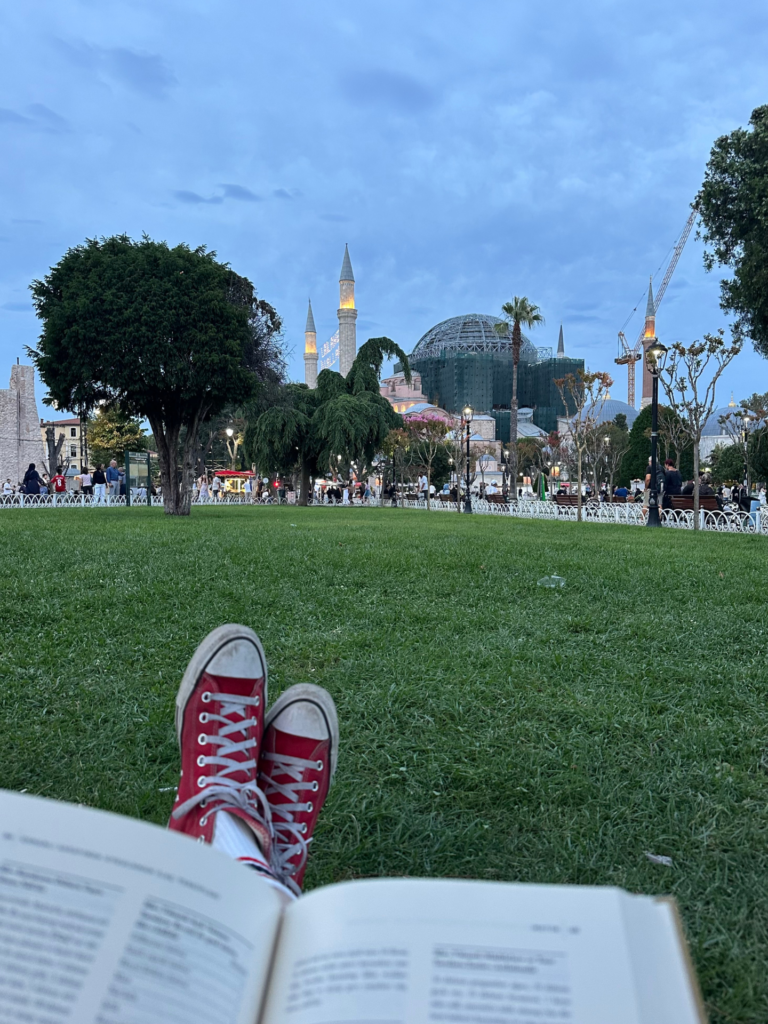
My encounter with Ottoman court medicine happened unexpectedly in a bookstore. I was browsing shelves in Istanbul and using my esteemed AI assistant to translate titles and tables of contents that were still beyond my Turkish. Once the aktar shops had captured my attention, I began looking for books specifically about Turkish herbalism.
Most of what I found fell into two categories:
- There were Turkish translations of Western herbal books I already knew,
- and there were broad encyclopedias written by Turkish authors about medicinal plants from many parts of the world.
What I could not locate was something that felt rooted in the medical history of these particular lands…
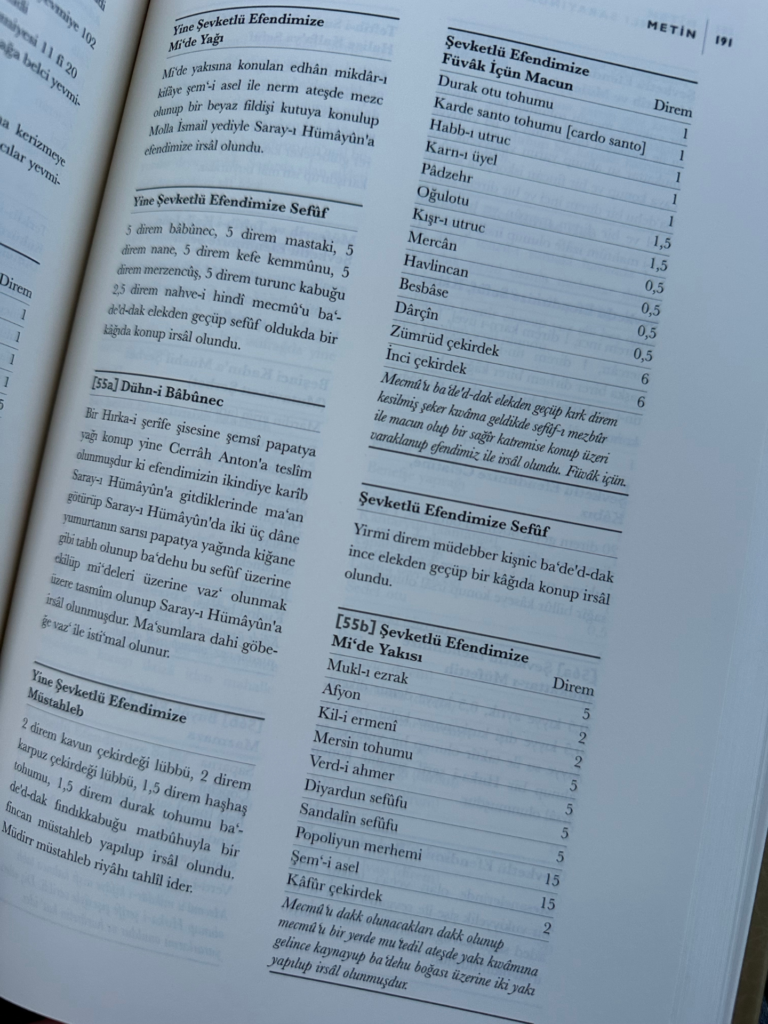
Then I discovered a book with the formidable title Hekimbaşı Hayâtîzâde Mehmed Emin Efendi Döneminde Osmanlı Sarayında Uygulanan İlaç Terkipleri – roughly, Drug Formulations Administered at the Ottoman Court during the Tenure of Chief Physician Hayâtîzâde Mehmed Emin Efendi.
When I showed the title to a bookseller, his reaction was immediate.
“Ohhh… unusual!”
He explained that it was the kind of book normally purchased by students of history or medicine, not by foreign tourists casually exploring Istanbul.
This, naturally, stroked my ego a little bit and convinced me that I needed it.
An eighteenth-century court recipe collection
I began calling the book an Ottoman pharmacopoeia. In a broad sense, that description works: it presents a vast collection of medicines, ingredients, and methods of preparation. More precisely, it is a modern scholarly edition of an eighteenth-century manuscript recording remedies prepared within the Ottoman court.
The collection belongs to the period of Hayâtîzâde Mehmed Emin Efendi, who served as hekimbaşı, or chief physician, during the reign of Sultan Mahmud I. The manuscript records formulations associated with sultans, princes, women of the dynasty, harem residents, senior officials, and other members of the enormous palace household. The original is preserved in the Halife Abdülmecid Efendi Collection of the National Palaces Library (Tuğ, 2023).
The hekimbaşı was much more than the sultan’s private doctor. He occupied one of the highest positions in Ottoman medicine, supervised court medical affairs, and stood close to a political world in which the health of a ruler or prince could matter to the entire empire.
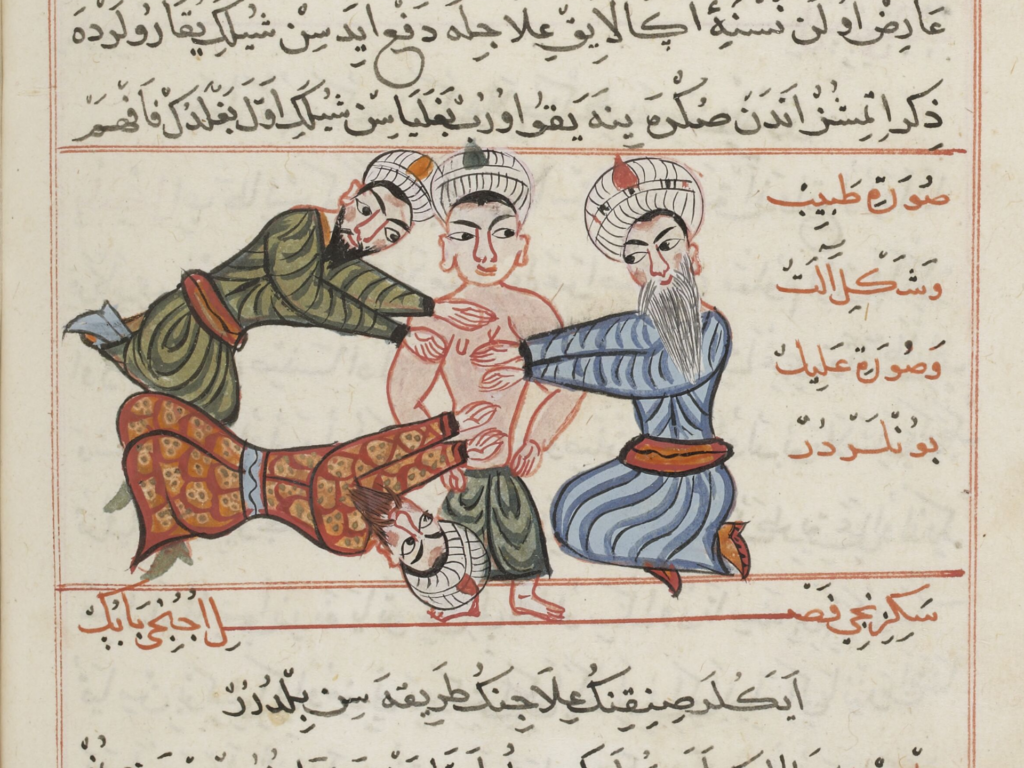
The court was also not a single family living in a luxurious residence, but an institution populated by officials, servants, specialists, eunuchs, women of different ranks, religious authorities, and members of the ruling dynasty. The manuscript preserves traces of these people through their medicines. Some recipes carry headings such as “for Sultan Mustafa,” “for our gracious master,” or “for Vecihi Kalfa.” Suddenly, the enormous collection becomes… intimate.
Behind each formula was a person whose pain, digestion, skin, mood, sleep, or strength had attracted attention. If your personal preparation was recorded in such a manuscript, your body had entered the archive. These recipes are fragments of court life written in the language of ingredients.
A pharmacy of many forms
What fascinated me most was not only what the medicines contained, but the enormous variety of forms in which they were prepared. Modern pharmacy trains us to expect tablets, capsules, creams, drops, and syrups. The Ottoman collection opened a much more tactile and culinary world.
I encountered terms such as:
- merhem – an ointment,
- yağ – a medicinal oil,
- macun – a thick medicinal paste or electuary,
- şerbet – a syrup or medicinal drink,
- mâ – a medicinal water,
- iksir – an elixir,
- habb – a pill,
- süfûf or sefuf – a powder,
- lapa – a poultice,
- tilâ – a preparation applied externally,
- matbûh – a cooked or decocted preparation,
- sirke – a medicinal vinegar.
Medicine could be swallowed, licked from a spoon, sipped slowly, rubbed into the skin, applied as a warm paste, used as a wash, or preserved in sugar, honey, oil, or vinegar. The method was part of the remedy’s identity. This was pharmacy experienced through texture, aroma, taste, temperature, and ritual as much as through a list of active ingredients.
The theoretical language behind these recipes came from the broader Greco-Arabic medical tradition that had shaped learned Ottoman medicine. Ingredients and bodies were understood through qualities such as hot, cold, moist, and dry, and compound medicines were designed to correct an imbalance or direct a remedy toward a particular organ or complaint. The palace formulas were Ottoman, but the intellectual world behind them connected Hippocratic and Galenic ideas with centuries of Arabic and Persian scholarship (Shefer-Mossensohn, 2014).
Reading the recipes made the shelves of the aktars feel less random. Rose, mastic, cinnamon, resins, aromatic woods, oils, seeds, and spices were not merely decorative products of an exotic market. They belonged to a long pharmaceutical vocabulary.
Two medicines, one empire
The ingredients also made social class impossible to ignore.
- Court medicine could call upon saffron, fine cinnamon bark, sandalwood, agarwood, costly resins, musk, ambergris, and carefully prepared aromatic waters. Some materials had traveled enormous distances; others demanded laborious preparation or were expensive simply because of their rarity. Imperial medicine was able to be elaborate because the palace had money, specialists, storage, supply networks, and time.
- The medicine of ordinary people left a very different archive. Most families did not preserve hundreds of personalized formulas under the names of individual patients. Their knowledge survived in kitchens, gardens, local markets, bathhouses, conversations, family habits, and the recommendations of healers and merchants.
Yet these were not two sealed medical universes.
The court and the household drew from the same broad world of plants, spices, oils, resins, humoral ideas, religious practices, and regional experience. A common household might prepare linden flowers or a simple oil, while a court physician combined many materials into an expensive compound. A neighborhood customer might buy a small piece of frankincense; the palace could incorporate the same resin into a preparation containing a dozen other ingredients.
The difference was not that one world possessed “real” medicine and the other possessed superstition.
The difference was access: access to rare ingredients, trained compounders, individualized attention, and the resources required to transform simple materials into complex preparations.
This is where the aktar becomes central again. He stood between distant trade and local use, between the recipe and the raw material, between elite pharmacology and the small quantity of spice or resin that an ordinary customer could afford.
The palace and the marketplace were unequal, but the shelves connecting them were often filled with the same substances.
Macun: between medicine and confectionery
Of all the pharmaceutical forms in the manuscript, macun fascinated me most.
A medicinal macun was a thick electuary: powdered drugs, extracts, spices, or aromatic materials were incorporated into honey or syrup until they formed a paste. The sweet base bound the ingredients together, softened unpleasant tastes, and helped preserve the preparation. A macun could be nourishing, warming, strengthening, purgative, aphrodisiac, or directed toward a particular complaint, depending on its formula.
Ottoman Formula
Macun-ı Müferrih-i Mülûkî
Royal · Mood-Lifting · 1178 AHA royal Ottoman electuary (macun) recorded in the year 1178 AH (1764–1765 CE), it was intended as a müferrih, which is a preparation believed to gladden the heart, uplift the spirit, and strengthen vitality according to Ottoman medicine.
Miktâr-ı kifâye şeker ile macun oluna.
“With a sufficient quantity of sugar, let it be made into an electuary.”
The dry ingredients would be finely powdered and incorporated into enough sugar (typically prepared as a thick syrup) to produce a dense medicinal paste (macun).
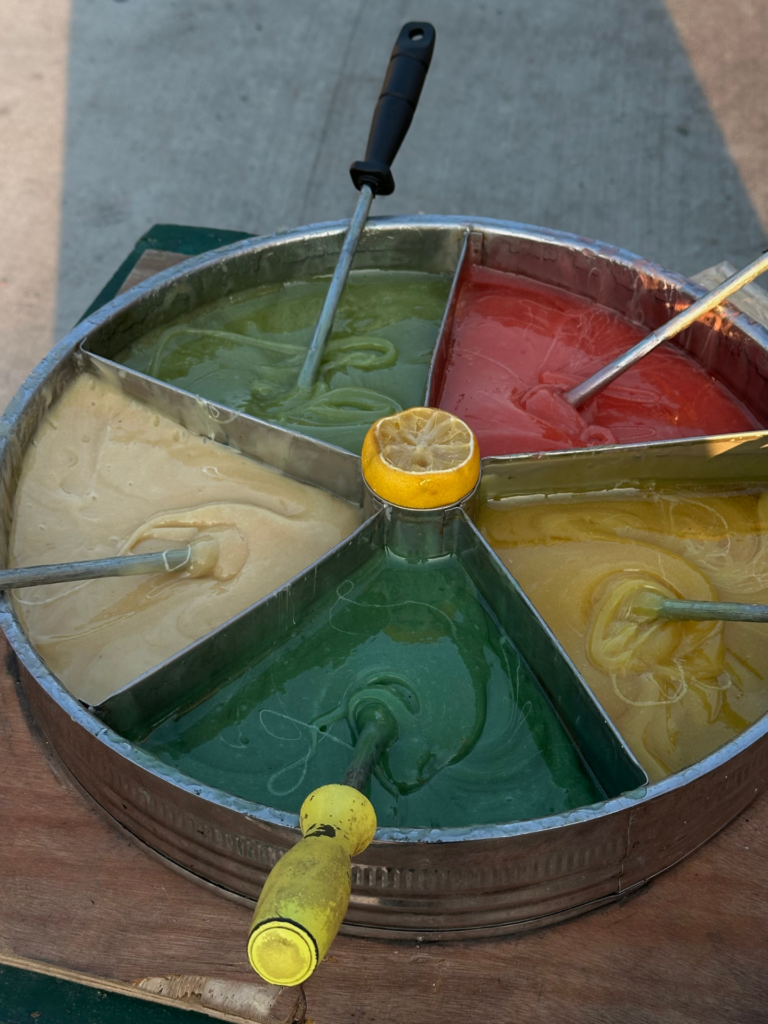
The word is still alive in Turkey. It appears on medicinal and commercial herbal pastes, but also in sweets. Colorful spiral candy is sold as macun şekeri, while the famous Mesir macunu of Manisa occupies a particularly interesting space between medicine, legend, public ritual, and confectionery.
The Manisa festival commemorates the recovery of Hafsa Sultan, mother of Süleyman the Magnificent, through a spiced paste traditionally associated with the physician Merkez Efendi. Every year, the macun is prepared and distributed publicly; UNESCO added the festival to the Representative List of the Intangible Cultural Heritage of Humanity in 2012.
The story is not a straight line from a sultan’s medicine to street candy. It is a much livelier crossing between court pharmacy, household remedies, festive tradition, and popular taste. That is exactly what makes macun so fascinating: a pharmaceutical form can keep its name, sweetness, and cultural presence even after its original therapeutic logic has changed or even disappeared. The paste may become sweeter, brighter, more commercial, or ceremonial, yet the old word remains, and what once belonged to the dispensary can settle into the street and become part of popular memory.
One country, two herbal landscapes
Traveling from Istanbul to Trabzon showed me how dramatically herbal culture can change within a single country. The distance between the two cities is roughly 1,100 kilometers by road, but the botanical difference felt much larger.
Turkey lies at the meeting point of three major phytogeographical regions:
- Mediterranean,
- Euro-Siberian,
- and Irano-Turanian.
Its coasts, mountain chains, interior plateaus, valleys, and changes in altitude create an extraordinary concentration of habitats. Around 12,000 vascular plant taxa have been recorded, with a very high level of endemism, and the country touches three globally recognized biodiversity hotspots:
- the Mediterranean Basin,
- the Caucasus,
- and the Irano-Anatolian region
(Noroozi et al., 2019).
That sounds like an abstract botanical fact until you cross the country and watch the shelves change.
Istanbul: aromatic herbs and an imperial marketplace
In Istanbul, I repeatedly encountered laurel, rosemary, oregano-like and thyme-like herbs, marjoram, hyssop, lemon balm, several kinds of mint, sage, lavender, myrtle, and juniper. These were surrounded by spices and resins that made the shelves feel broader than any one regional flora.
And for some reason, juniper surprised me the most! I expected to find the berries occasionally, but juniper appeared in teas, oils, massage products, soaps, and preparations with claims ranging from respiratory comfort to muscular relief. The genus Juniperus is well represented in Turkey, and several species have long histories of medicinal, aromatic, domestic, and ritual use (Orhan et al., 2012). I guess my surprise said more about my own expectations than about the plant’s place in Anatolian tradition.
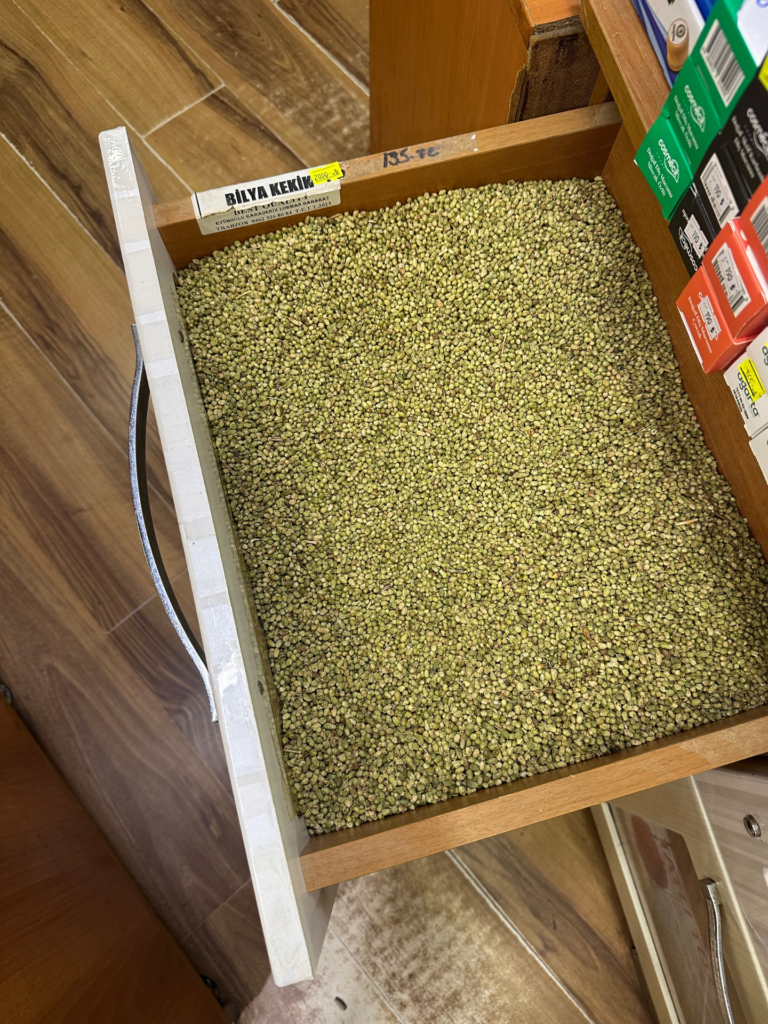
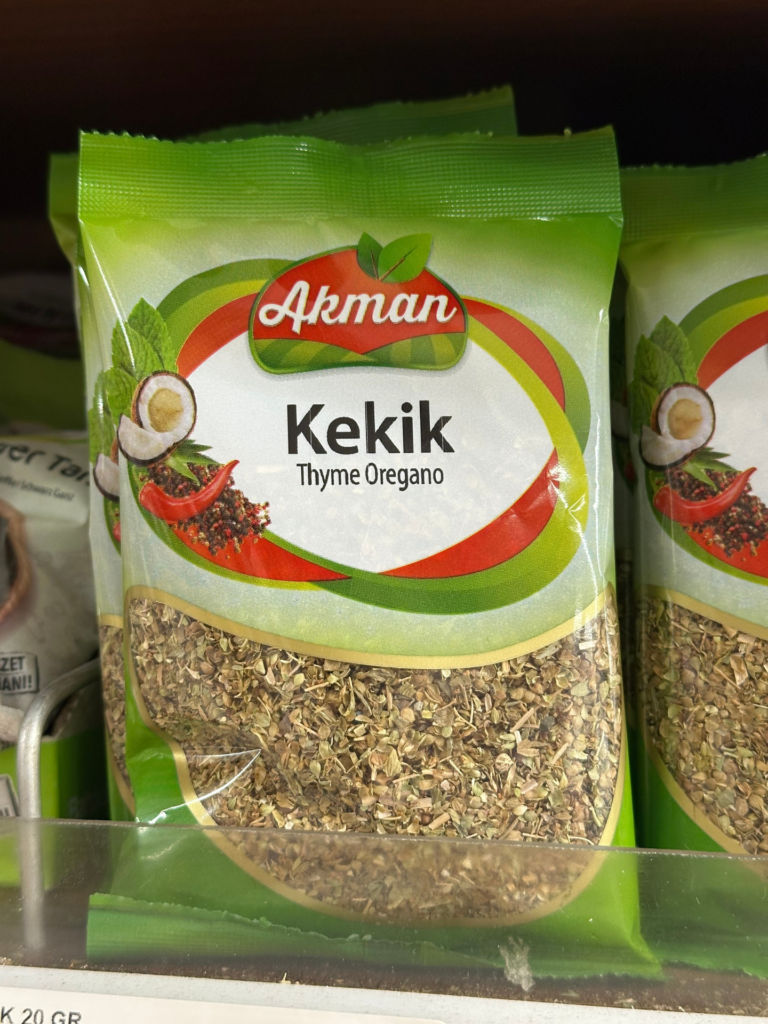
The language surrounding oregano and thyme was equally revealing. I kept trying to fit the word kekik into the English categories I already knew. Yet kekik is not always one botanical species, or even one genus. In Turkish commerce it may refer to strongly aromatic plants from Origanum, Thymus, Thymbra, or Satureja, often grouped by smell, flavor, and use rather than by modern taxonomic boundaries (Sadıkoğlu & Özhatay, 2016, 2019). That does not mean that people “confuse” oregano and thyme; it means the folk category was built according to a different logic. Botanical Latin asks how a plant is related to other plants, meanwhile a culinary or medicinal tradition may care more about how it smells, what it tastes like, where it grows, and what one does with it.
Once I understood that, the aktar shelves became easier to read. They were not poorly organized herbaria, but cultural systems of classification.
Trabzon: a Black Sea herbal world
Trabzon felt more familiar to me as someone from Eastern Europe. I encountered linden flowers, nettles, plantain, St. John’s wort, yarrow, meadowsweet, bilberries, and hazelnuts.
The flora was not identical to that of Poland and Ukraine, but its visual language felt recognizable. A basket of linden or nettle could almost have come from a shop near my own home.
Then I looked beyond those familiar plants and saw the character of the Pontic and Caucasian landscape: oriental spruce, Caucasian linden, mountain forests, humid slopes, and species that reach their western or southern limits around the Black Sea. An ethnobotanical survey covering 80 villages in Trabzon documented 119 medicinal plant taxa used for more than 100 reported conditions. Among the culturally significant species were Picea orientalis, Plantago major, Tilia rubra subsp. caucasica, and Vaccinium myrtillus (Şener et al., 2023).
Tea was, of course, everywhere, yet Turkish tea cultivation is much younger than the glass of çay makes it feel. Tea had been consumed in the late Ottoman period, but the huge plantations of the eastern Black Sea were largely the result of twentieth-century agricultural policy. A 1924 law encouraged cultivation around Rize and Borçka, and state-supported production expanded from the late 1930s onward, eventually reshaping both the regional economy and Turkish everyday life (İnal, 2021).
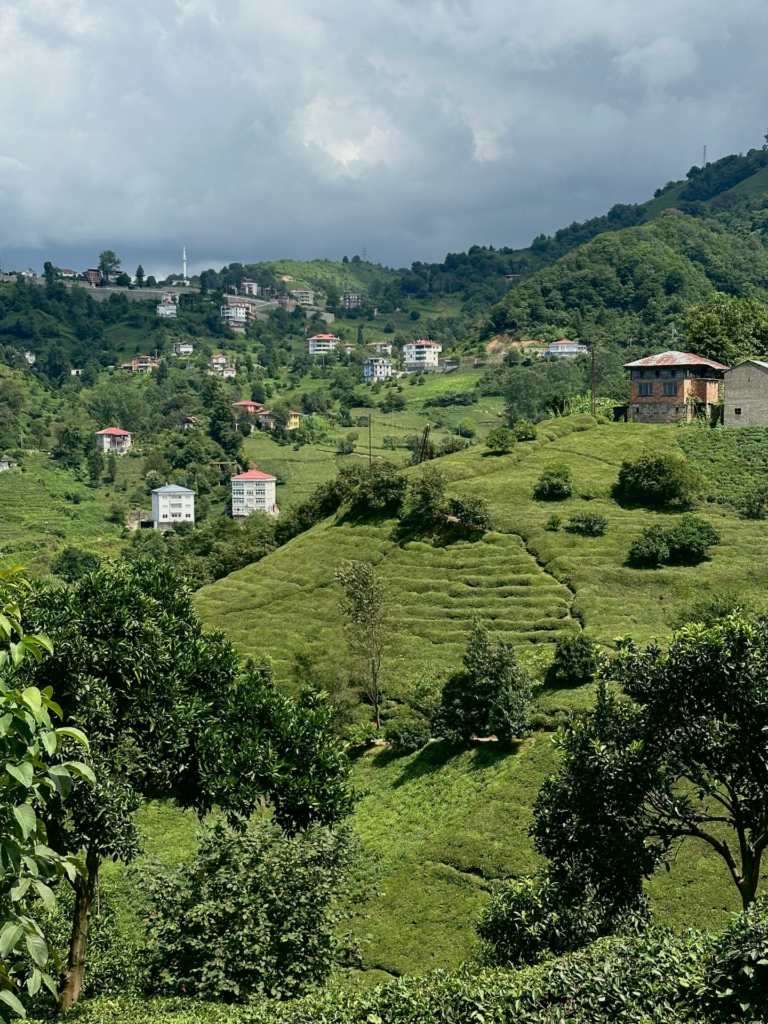
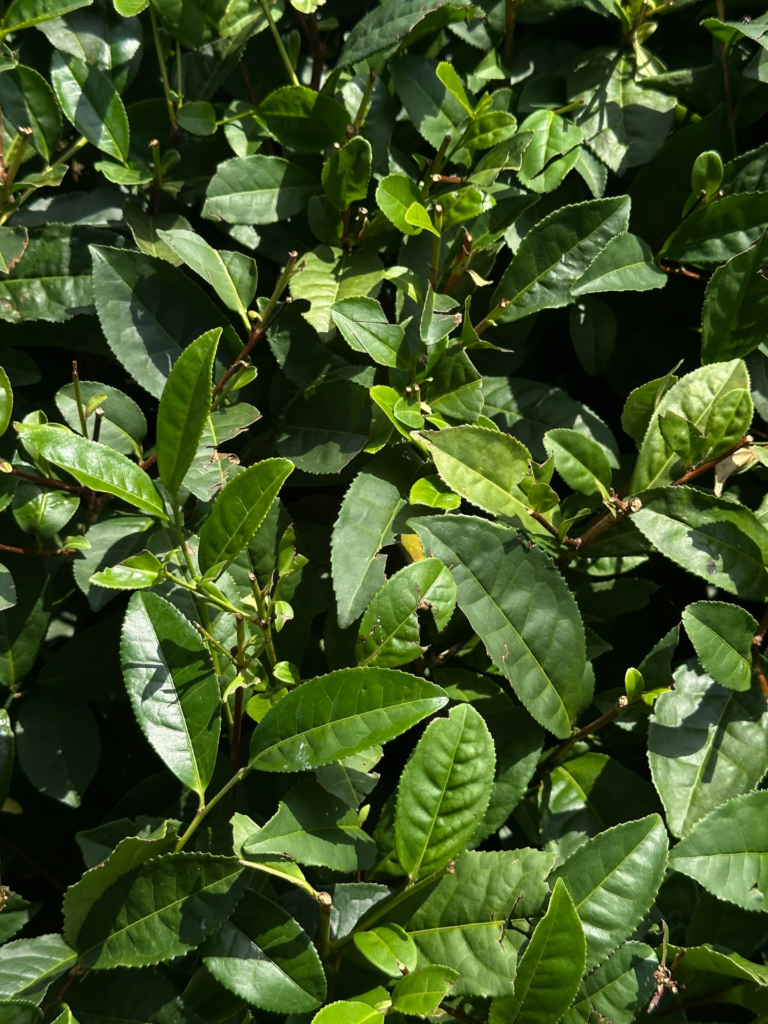
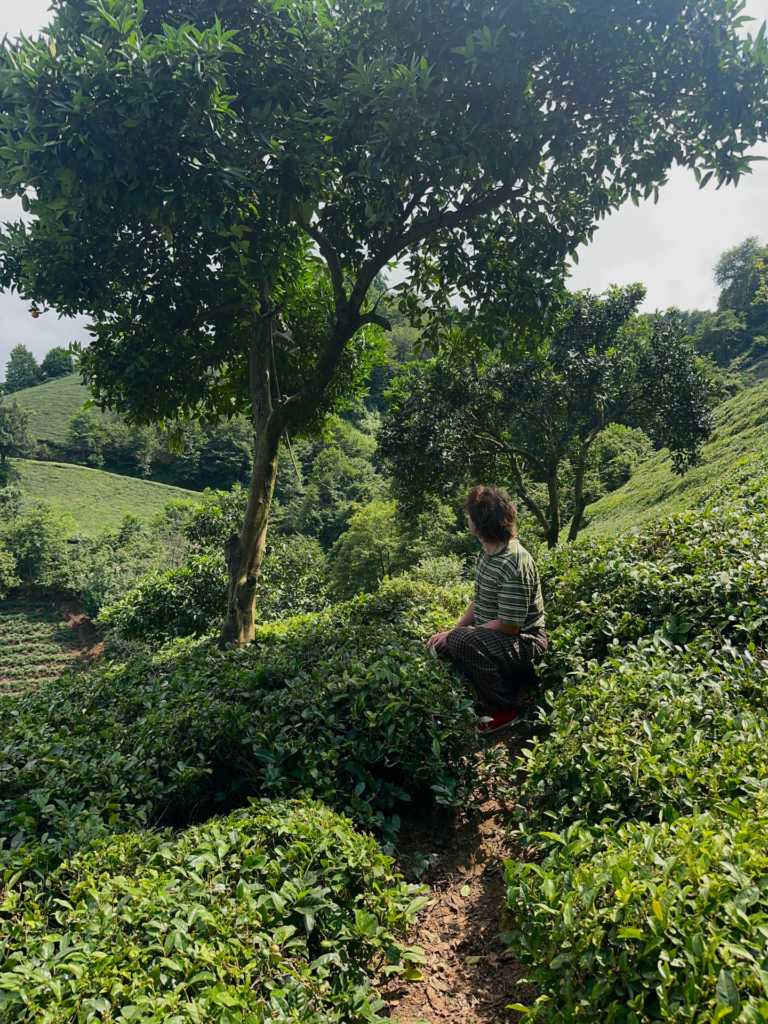
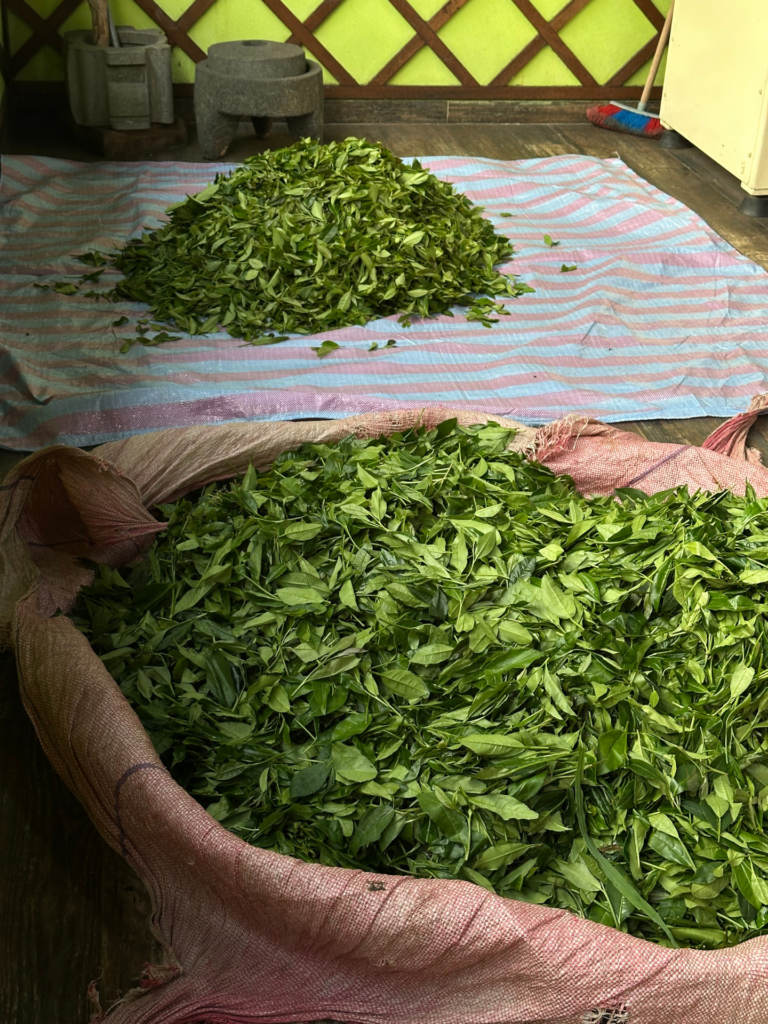
That history fascinated me because tea now seems inseparable from Turkey. It is served so constantly, and with such ritual certainty, that it feels ancient.
In botanical terms, however, the tea-covered slopes are a relatively modern layer of the Black Sea landscape. Tradition does not always need to be centuries old before it becomes emotionally permanent.
Different places, different needs
The products also seemed to reflect the bodies and daily lives around the shops.
In Istanbul, I noticed more cosmetic oils, perfumes, soaps, relaxation products, hair preparations, and mixtures shaped by the global language of wellness. It made sense in a huge, fast-moving, internationally connected city where beauty culture, office work, stress, tourism, and social media all influence what people expect from a “natural” shop.
In Trabzon, the requests I overheard felt more immediate and physical: sprains, muscular pain, digestion, work-related discomfort, and the ordinary consequences of using the body.
The contrast stayed with me because it made both cities feel visible through the problems carried into their shops.
An aktar does not preserve tradition in a vacuum. The shop reacts to the neighborhood, its inventory records what people worry about, what kind of work they do, what they can afford, what they consider embarrassing, and which problems they prefer to manage without entering a clinic. In that sense, the shelves are almost demographic, or at least a witness to it.
Üzerlik: the plant I almost brought home
Of all my discoveries in Turkey, none surprised me as much as üzerlik, botanically known as Peganum harmala. I first encountered it as dried bundles and loose seeds sold openly in aktars. Once I learned its name, I began seeing it everywhere. The people I spoke with did not usually introduce it to me as an internal medicine. They spoke about burning it, fumigating a space, and using its smoke in protective domestic practices, especially those associated with the evil eye.
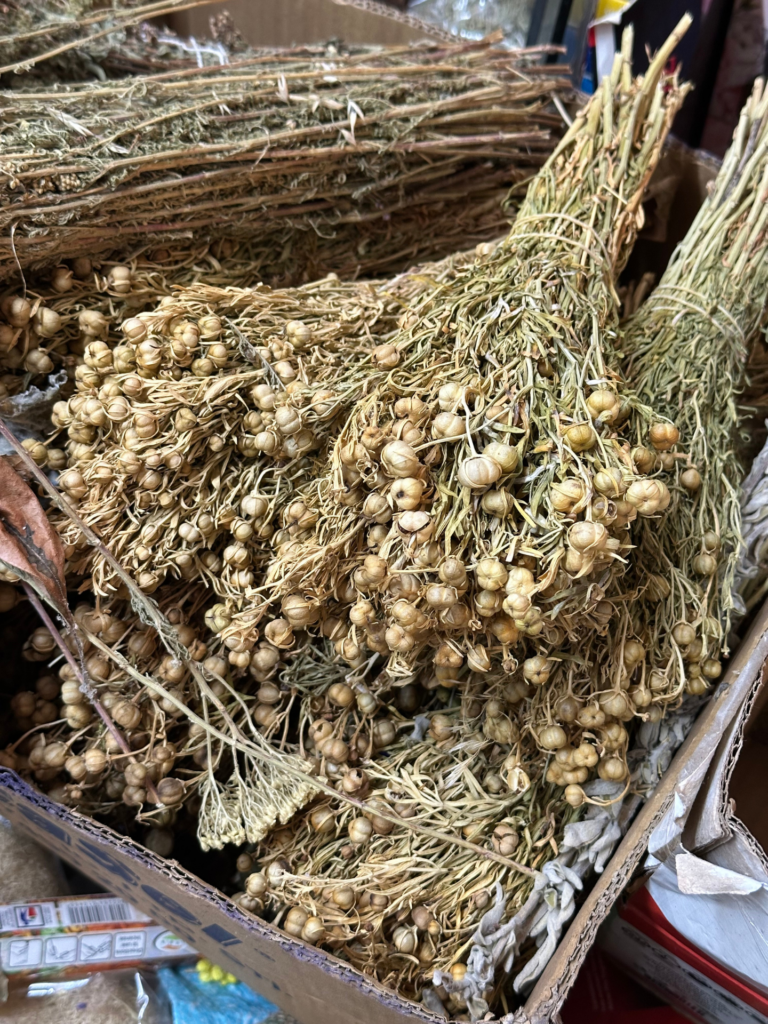
What fascinated me was how ordinary it seemed. There was no sense that I was looking at an (spoiler) especially controversial plant. It was simply one of the familiar materials hanging in a shop, inexpensive and immediately recognizable to local customers.
Botanically, Peganum harmala is a drought-tolerant perennial of dry and disturbed habitats, native across a broad region extending through the Mediterranean, West and Central Asia. Its seeds and roots contain beta-carboline alkaloids, including harmine and harmaline. Turkish pharmaceutical research has also detected harmine in smoke produced from the fruits and seeds, which adds a chemical dimension to its long use as incense and fumigant (Akdoğan et al., 2025).
The cultural context changed completely when I checked its legal status in Poland. Under the Polish controlled-drug schedule, Peganum harmala is listed in Group I-N, including the plant, seeds, extracts, and preparations (Ministry of Health, 2026).
That felt frustrating. What I had been treating as an ethnobotanical souvenir, the local government at home would treat the same bundle as a controlled narcotic plant.
And that contrast became one of the clearest lessons of the trip. A plant can be household incense, protection against the evil eye, traditional medicine, a toxic botanical, a source of psychoactive alkaloids, and a prohibited substance at the same time. Its chemistry travels across borders unchanged; its social identity does not.
Thankfully, I checked before bringing it home.
From materia medica to landscape
Until I left the cities, most plants had reached me as products stored behind an aktar’s counter. The journeys around Trabzon offered a glimpse of the landscapes that existed before all this collecting, processing, and trade.
The rural Black Sea region felt almost excessively green. Around the Altındere Valley, forests climbed steep slopes above rivers and narrow roads, filled with oriental spruce, firs, pines, and other conifers I could not always identify through a bus window or during a short stop. Open areas were crowded with St. John’s wort, yarrow, mugwort, and towering species of Heracleum. The amount of vegetation was striking, but so was its familiarity.
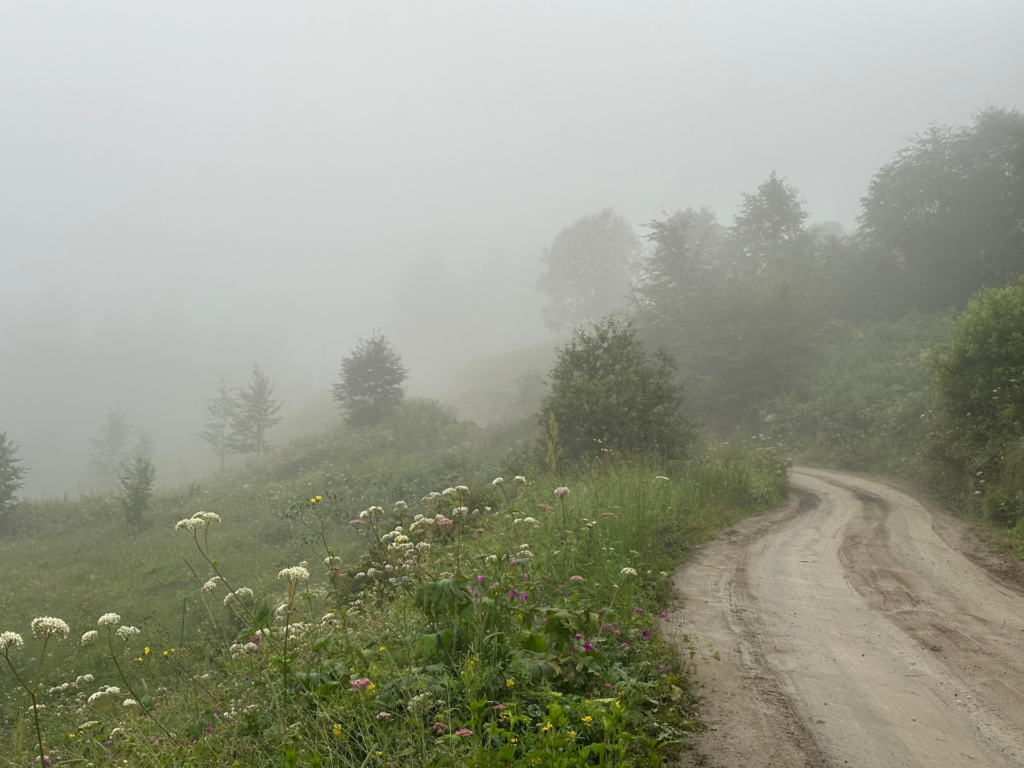
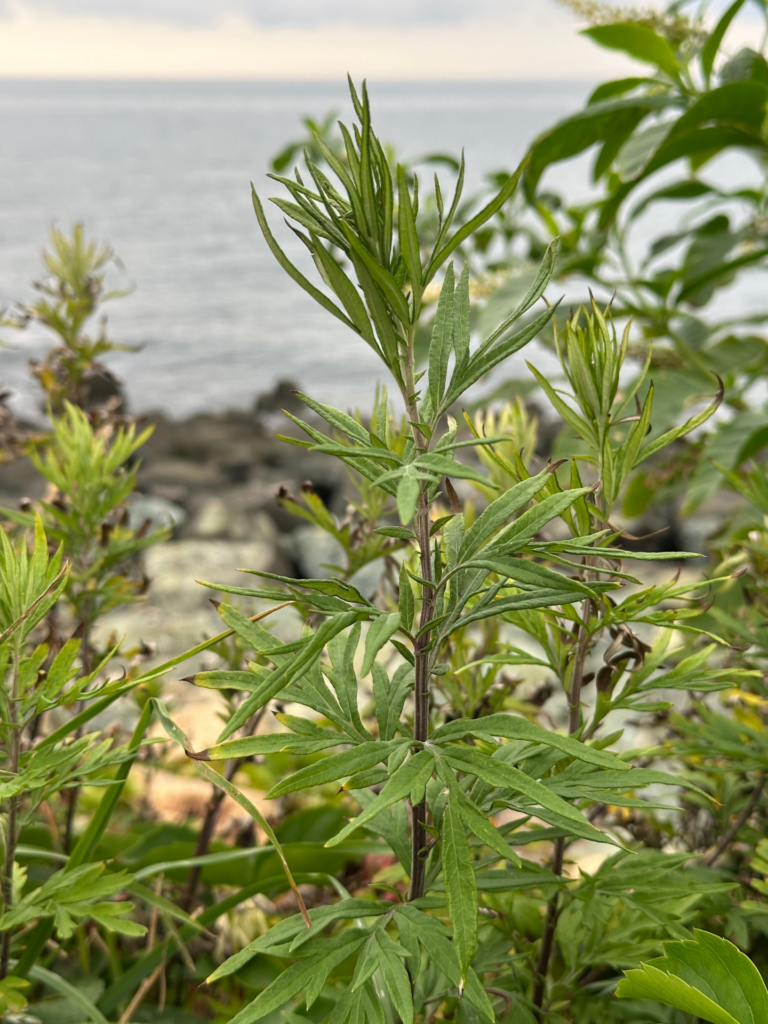
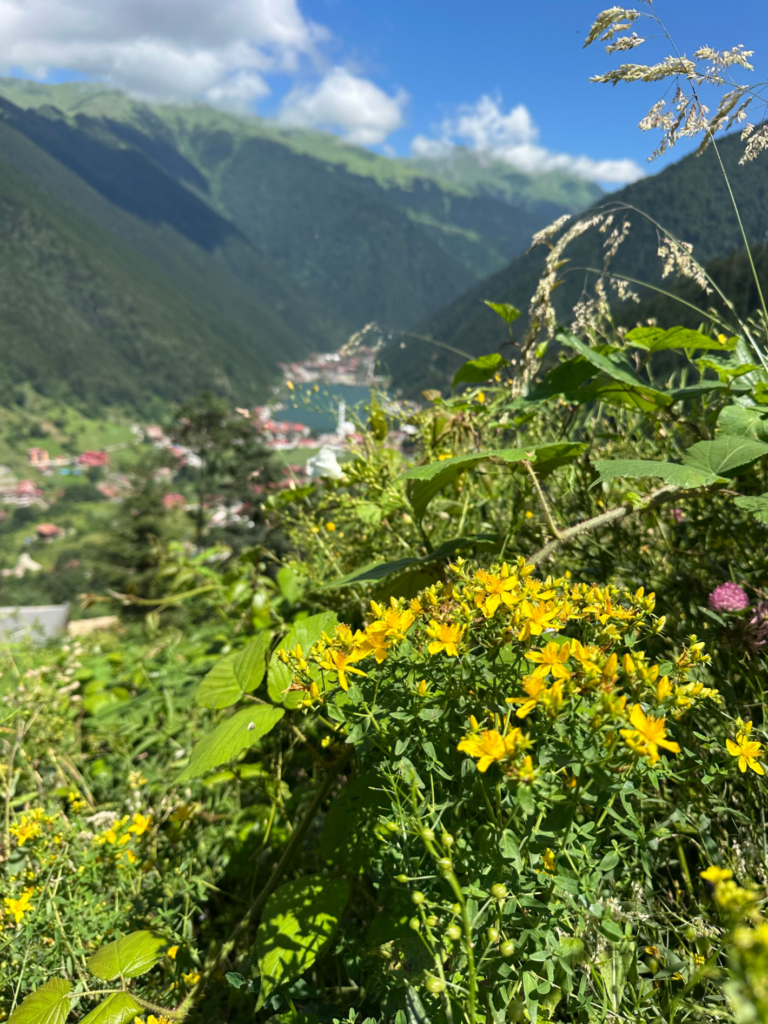
Many of these plants also grow in Eastern Europe. Linden, nettle, plantain, yarrow, bilberry, and St. John’s wort could easily have belonged to a field near my own home.
Yet in northeastern Turkey they appeared among Pontic and Caucasian forests, tea fields, steep mountain valleys, and species whose ranges extend toward Georgia and the wider Caucasus.
The similarities helped me recognize the plants, and the differences reminded me that I was looking at a completely separate ecological world.
Roadsides, mountain passes, and unexpected plants
Some of the most interesting plants appeared in entirely ordinary places. On the slopes of the Zigana Pass, I found wild henbane (Hyoscyamus niger), growing beside the road. The plant historically associated with flying ointments carries an enormous historical weight in medicine, toxicology, folklore, and accounts of psychoactive plants for centuries. In the mountains, however, it was simply part of the roadside vegetation. I also encountered Armenian lilies, (Lilium armenum), with yellow flowers rising above the surrounding plants. I had previously known the species mainly through botanical names and distribution maps, but seeing it within the landscape of northeastern Turkey made it feel less like an entry in a flora and more like a plant belonging to a particular place.
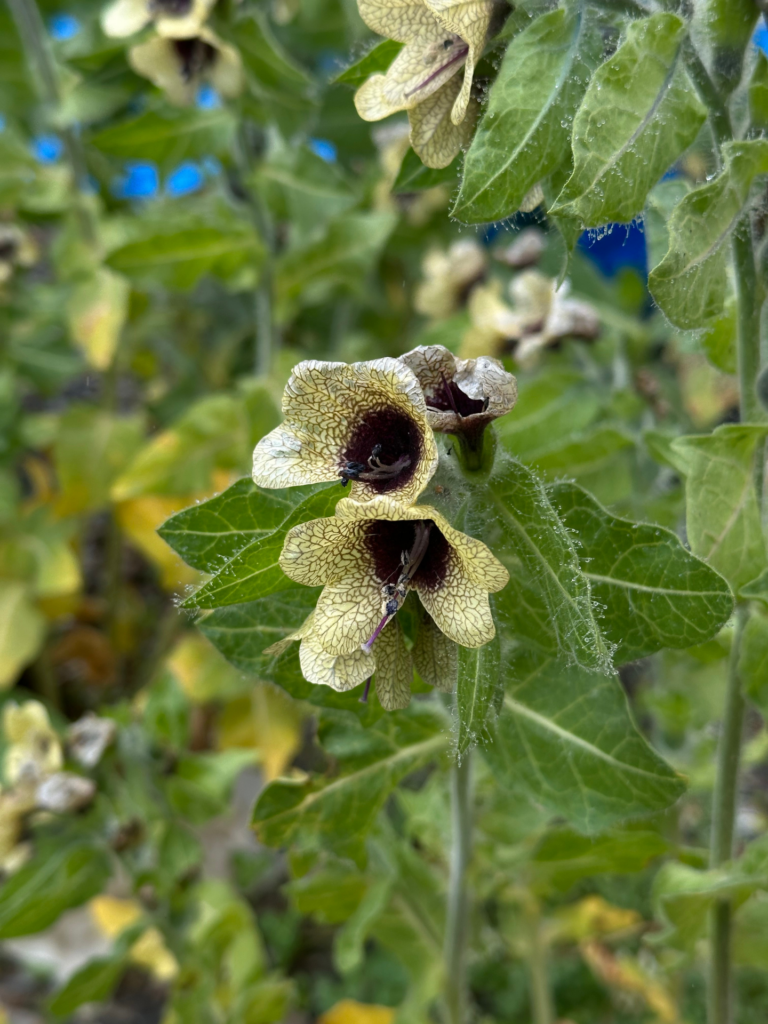
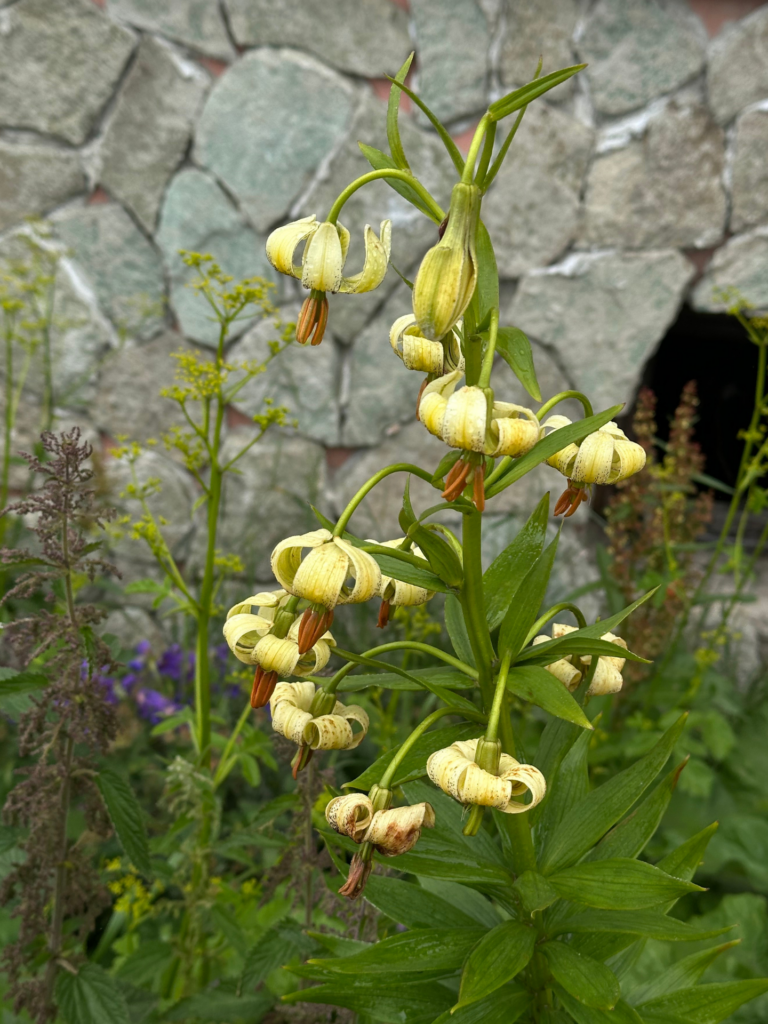
The vegetation changed noticeably with altitude. Lower slopes contained settlements, gardens, hazelnut orchards, tea fields, and broadleaved plants. Higher up, the roads entered dense coniferous forests. Above them, the trees gradually opened into mountain meadows, grasslands, and rocky slopes.
These changes happened within relatively short distances. Looking through a bus window, I could watch one plant community replace another as the road climbed.
The experience made it difficult to speak about “Turkish herbs” as though the country possessed one unified botanical landscape. The flora of the humid eastern Black Sea bears little resemblance to that of central Anatolia or the dry Mediterranean mountains. Trade connected these regions and carried their plants far beyond their natural ranges, but the herbal traditions that developed locally were still influenced by climate, altitude, agriculture, and the vegetation people encountered around their homes.
Looking for the Nordmann fir
As a conifer enthusiast, I had one particularly specific ambition: I wanted to see the Nordmann fir, Abies nordmanniana, growing in its native environment.
Across much of Europe, it is encountered mainly as a Christmas tree. It is grown commercially for its symmetrical shape, dense branches, glossy needles, and tendency to retain them indoors. In the mountains south and east of the Black Sea, however, it is not a decorative object but part of an extensive forest ecosystem. Mature specimens can become monumental trees, growing alongside oriental spruce, beech, and other species of the region. Ethnobotanical work in the mountainous settlements of Maçka also records local knowledge and uses associated with the species (Öztürk & Sarı, 2022).
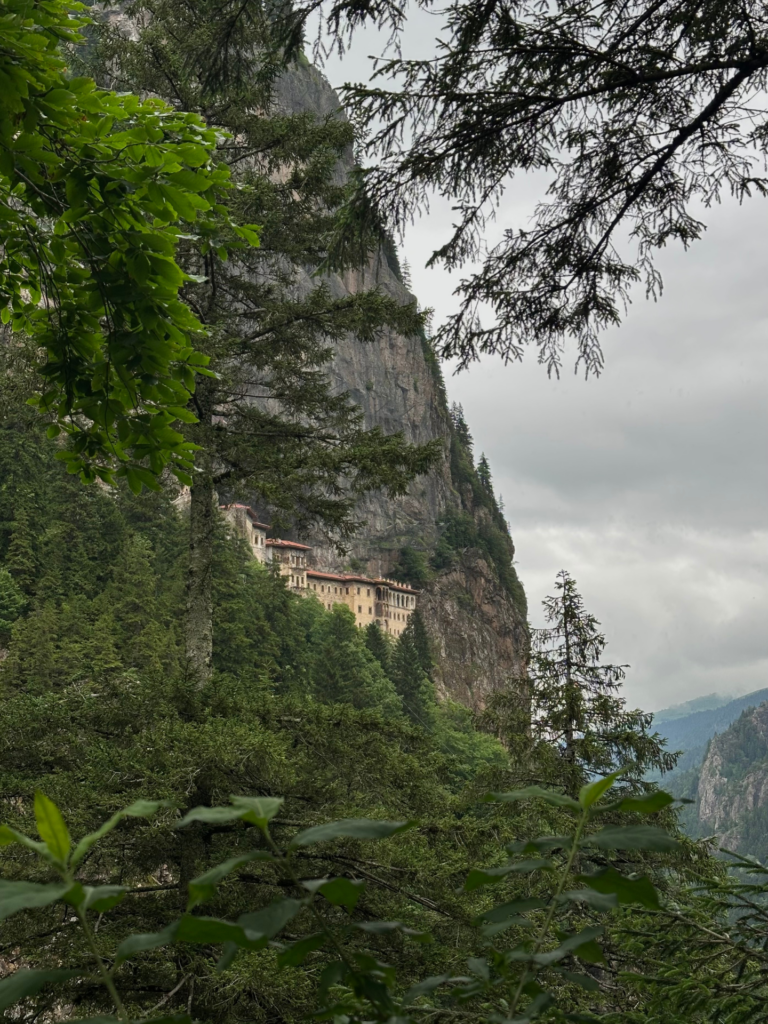
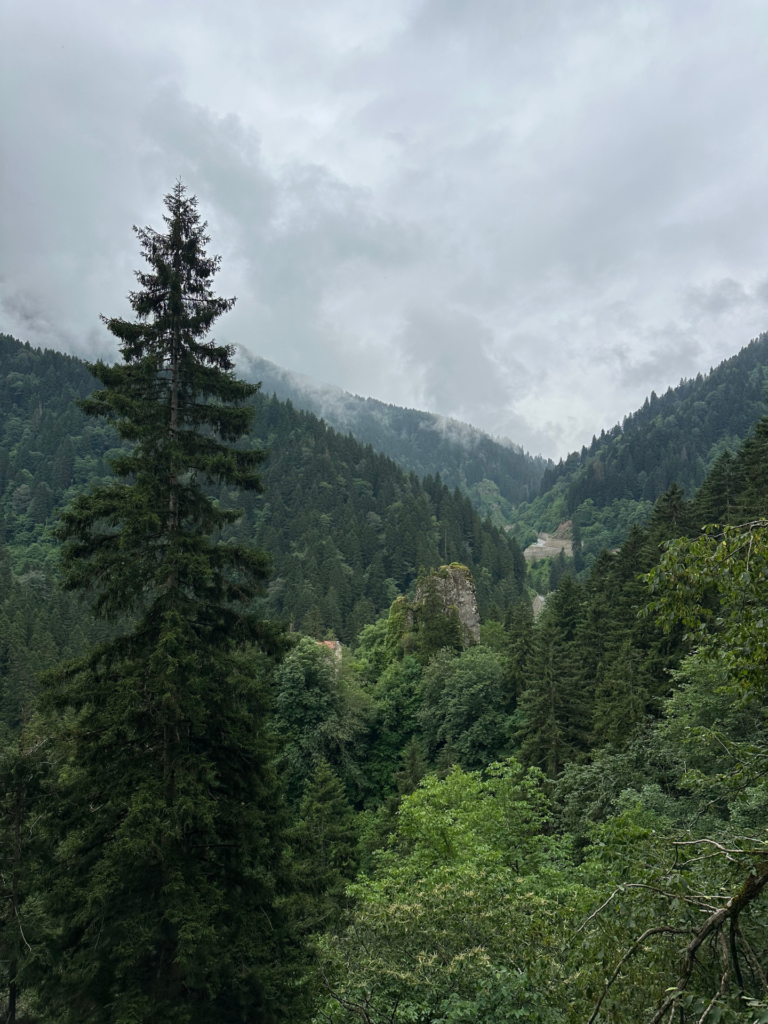
Knowing that a tree grows within a region is much easier than finding it with certainty. On a map, the distribution of a species appears as a convenient colored area. But in reality, these areas consist of enormous valleys, mixed forests, inaccessible slopes, changing elevations, and thousands of trees observed from inconvenient distances.
I was traveling alone and relying mostly on public transportation, and the organized trips focused on monasteries, lakes, waterfalls, and viewpoints. None of them was designed around stopping every few kilometers so that I could compare fir needles or search the forest for cones, sadly. I may have passed Nordmann firs without realizing it. I may have seen them from a distance and simply lacked the conditions required for a confident identification. Either way, I never experienced the satisfying moment of standing beneath one and knowing exactly what I was looking at…
But! The unsuccessful search did not ruin anything. It made me more aware of how much botanical travel depends on access, timing, transportation, local knowledge, and plain luck. A plant can be thoroughly documented in books and still remain surprisingly difficult to encounter in its own habitat.
What remained unexplored
The Black Sea region gave me only one regional view of Turkey’s plant traditions. Even there, I saw little beyond the routes connecting Trabzon with well-known destinations such as the Altındere Valley, Zigana Pass, and Uzungöl. Mountain villages, remote forests, local collectors, and many of the plants recorded in regional ethnobotanical surveys remained outside my reach.
Other parts of Turkey would present entirely different material:
- Central Anatolia has its steppe vegetation and long traditions associated with dryland plants.
- Eastern Anatolia connects with the floras of the Caucasus and Iranian plateau.
- The Aegean and Mediterranean coasts contain rich traditions surrounding sage, laurel, myrtle, mastic, oregano-like plants, and numerous other aromatic species.
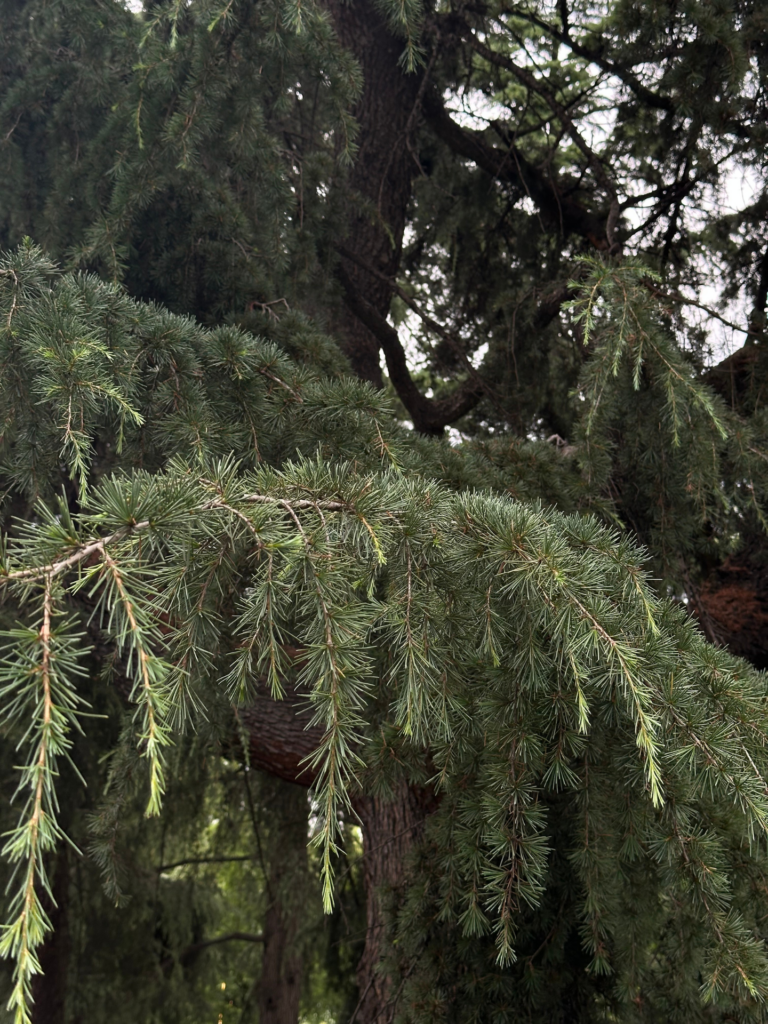
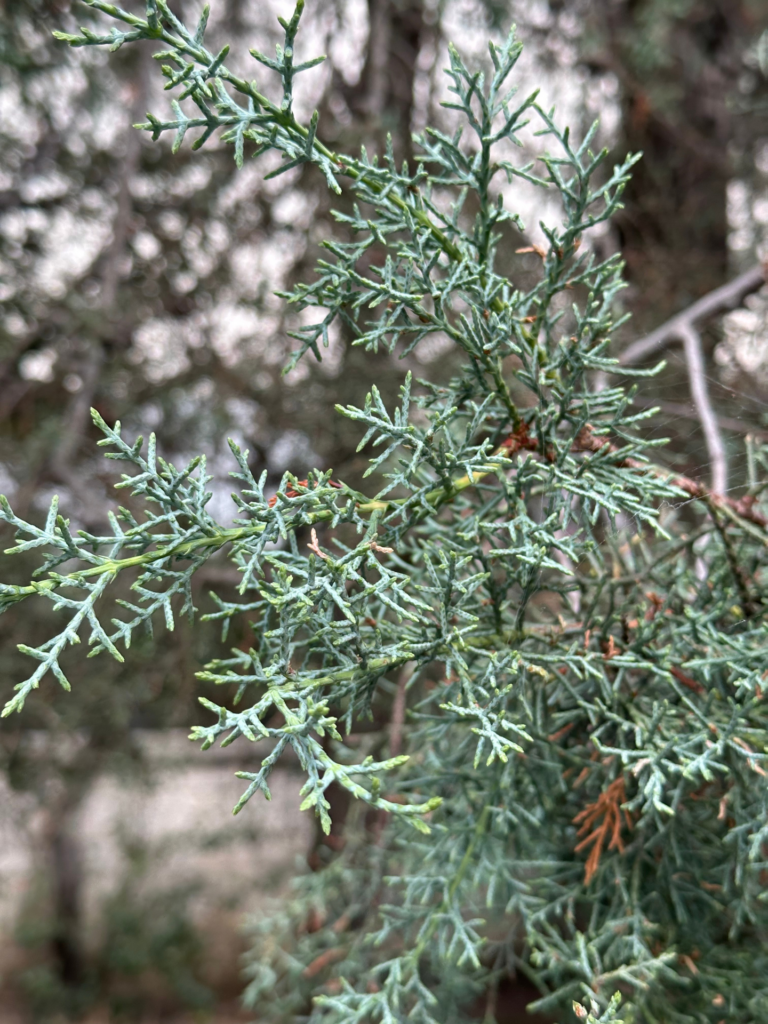
- The Taurus Mountains particularly interest me. Their cedar forests, high-altitude flora, and wild populations of oregano and thyme-like plants would provide a sharp contrast with the rain-soaked slopes of the Black Sea.
This trip did not produce anything resembling a complete survey of herbalism in Turkey. It gave me a series of encounters: a shopkeeper explaining Ottoman trade, customers seeking help in a neighborhood aktar, an imperial recipe collection found in a bookstore, üzerlik hanging above a shop counter, tea plantations covering Black Sea hills, and medicinal plants appearing beside mountain roads.
That was more than enough for one journey, and it also left a very long list of reasons to return.
Final thoughts
I came home with Turkish green tea, linden flowers, incense, several resins, and a large scholarly edition of Ottoman court recipes – and a few more books on pre-Islamic Turkish mythology systems. I also returned with a much broader understanding of Turkish herbal culture than I had when I first noticed the word aktar above a shop door.
What began as curiosity about herbal stores became an exploration of trade, medicine, regional flora, family businesses, and the ways plants move between court manuscripts, neighborhood shops, mountain landscapes, and everyday life.
Another aromatic subject followed me almost everywhere during the trip: kolonya. It appeared in hotels, restaurants, pharmacies, shops, and private homes, occupying its own space between fragrance, hygiene, hospitality, and ritual. But that story deserves an article of its own.
References
Akdoğan, M., Tekman, E., Yuca, H., Karakaya, S., Ekşi Bona, G., & Kazaz, C. (2025). Exploration of hallucinogenic compounds in Peganum harmala, a popular incense in folk culture, coupled with anatomical analysis. Journal of Faculty of Pharmacy of Ankara University, 49(1), 79–90. https://doi.org/10.33483/jfpau.1532753
Aktar, S., & Cebe, G. E. (2014). Bitkisel drogların aktar-eczâhâne-eczane serüveni. Lokman Hekim Dergisi, 45–46.
Bostancı Ege, G., & Önder Erol, P. (2012). The resurgence of herbal culture in Turkish society: An analysis on the social phenomenon of “aktars.” Millî Folklor, 24(95), 315–327.
İnal, R. (2021). Tea farming industry in Turkey and social economic history, 1920–1960. Alternatif Politika, 13(2), 351–370. https://doi.org/10.53376/ap.2021.12
Minister Zdrowia. (2026). Rozporządzenie Ministra Zdrowia z dnia 7 lipca 2026 r. zmieniające rozporządzenie w sprawie wykazu substancji psychotropowych, środków odurzających oraz nowych substancji psychoaktywnych (Dz.U. 2026 poz. 934). Internetowy System Aktów Prawnych
Noroozi, J., Zare, G., Sherafati, M., Mahmoodi, M., Moser, D., Asgarpour, Z., & Schneeweiss, G. M. (2019). Patterns of endemism in Turkey, the meeting point of three global biodiversity hotspots, based on three diverse families of vascular plants. Frontiers in Ecology and Evolution, 7, Article 159. https://doi.org/10.3389/fevo.2019.00159
Orhan, N., Akkol, E., & Ergün, F. (2012). Evaluation of antiinflammatory and antinociceptive effects of some Juniperus species growing in Turkey. Turkish Journal of Biology, 36(6), 719–726. https://doi.org/10.3906/biy-1203-32
Öztürk, Z., & Sarı, D. (2022). An ethnobotanical survey of medicinal plants in mountain places of Maçka (Trabzon, Türkiye). In Proceedings of the 3rd International Mountain and Ecology Congress Within the Framework of Sustainable Development.
Sadıkoğlu, N., & Özhatay, N. (2016). Morphological characteristics of exported taxa as oregano from Turkey I: Origanum. Journal of Faculty of Pharmacy of Istanbul University, 45(2), 87–126.
Sadıkoğlu, N., & Özhatay, N. (2019). Outer and inner morphological characteristics of Satureja & Thymbra taxa exported as oregano from Turkey II. EMU Journal of Pharmaceutical Sciences, 2(1), 13–32.
Sarı, N. (1991). Attar. In TDV İslâm Ansiklopedisi (Vol. 4, pp. 94–95). TDV İslâm Araştırmaları Merkezi.
Sezik, E. (2014). Geçmişten günümüze bitkilerle tedavide eczacı-aktar mücadelesi. Lokman Hekim Dergisi, 2–2. https://izlik.org/JA45SD89FJ
Shefer-Mossensohn, M. (2014). Medicine in the Ottoman Empire. In H. Selin (Ed.), Encyclopaedia of the history of science, technology, and medicine in non-Western cultures (pp. 1–7). Springer. https://doi.org/10.1007/978-94-007-3934-5_10138-1
Şener, S. Ö., Çoşkunçelebi, K., Terzioğlu, S., Nalçaoğlu, A., Gençkaya, T. P., Özgen, U., & Yüzbaşıoğlu Baran, M. (2023). A comprehensive ethnobotanical survey of medicinal plants for 80 villages in Trabzon (Türkiye). Turkish Journal of Botany, 47(6), 464–510. https://doi.org/10.55730/1300-008X.2780
Tuğ, R. (2023). Hekimbaşı Hayatizade Mehmed Emin Efendi döneminde Osmanlı sarayında uygulanan ilaç terkipleri (H. N. Sarı, Ed.). Türkiye Bilimler Akademisi.
UNESCO. (2012). Mesir Macunu festival. Intangible Cultural Heritage. UNESCO Intangible Cultural Heritage
Zunic, L., & Masic, I. (2015). Roots of pharmacy practice in Bosnia and Herzegovina from the Ottoman and Austro-Hungarian period: Attars’ mission for pharmaceutical care. Materia Socio-Medica, 27(1), 56–58. https://doi.org/10.5455/msm.2014.27.56-58
Leave a Reply