
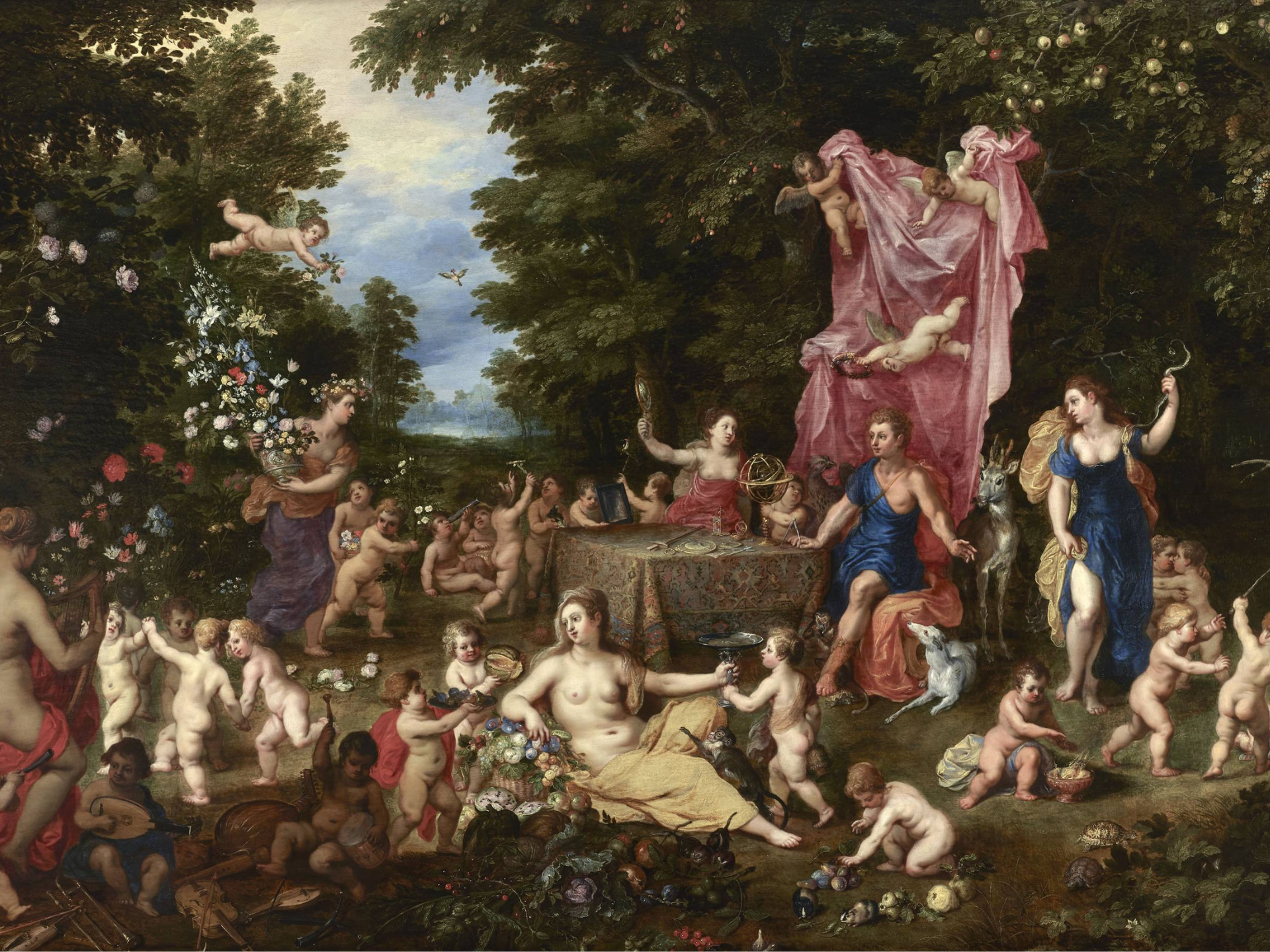
Ask most people how many senses humans have, and they will say five: sight, hearing, touch, taste, smell. Ask a neuroscientist the same question and you will get a longer pause, followed by a more complicated answer. Ask a medieval Islamic philosopher, a Buddhist monk, or an ancient Egyptian physician, and you might not recognize the framework at all.
The five-sense model is Aristotelian in origin and culturally tenacious. As Brandt, Dieterich & Huppert (2024) observe, “Aristotle’s list of the five senses … is still in use among non-scientific lay persons,” although even Aristotle himself acknowledged its limits of grouping all bodily sensations under “touch,” for instance, in a way that already strains the framework. Modern neuroscience has since confirmed several sensory systems entirely absent from his list, including the vestibular system, proprioception, and interoception.
This article traces the history of human sensory theory: from the pre-Socratics and Aristotle through medieval Islamic and scholastic elaborations, across to Indian, Buddhist, and Chinese models, and into the modern scientific expansion of what we call the senses. What emerges is not a story of gradual discovery converging on a correct answer, but something more interesting – a long argument about what it means to perceive the world, one that is still going on.
How did people understand perception before Aristotle?
Before Aristotle tidied everything up, ideas about perception in the ancient world were genuinely diverse and often fragmented in ways that resist easy summary.
Early Greek philosophers, physicians, and religious traditions each offered competing explanations for how humans experienced the world, frequently tying sensation to specific organs, elements, or metaphysical principles rather than organizing the senses into any unified system. What they largely agreed on, at least implicitly, was that no such system yet existed.
In pre-Socratic thought, perception was understood primarily as a process of physical interaction between the human body and the surrounding cosmos. Empedocles (c. 492–432 BCE) proposed that objects constantly emitted tiny material traces, called effluvia, which entered corresponding pores in the sense organs and enabled perception by interacting with the matching elements within the body. Democritus (c. 460–370 BCE) explained perception through the movement of material particles more broadly. Both adhered to a cardiocentric view, locating the sensory faculty and soul in the heart rather than the brain (Brandt & Huppert, 2021).
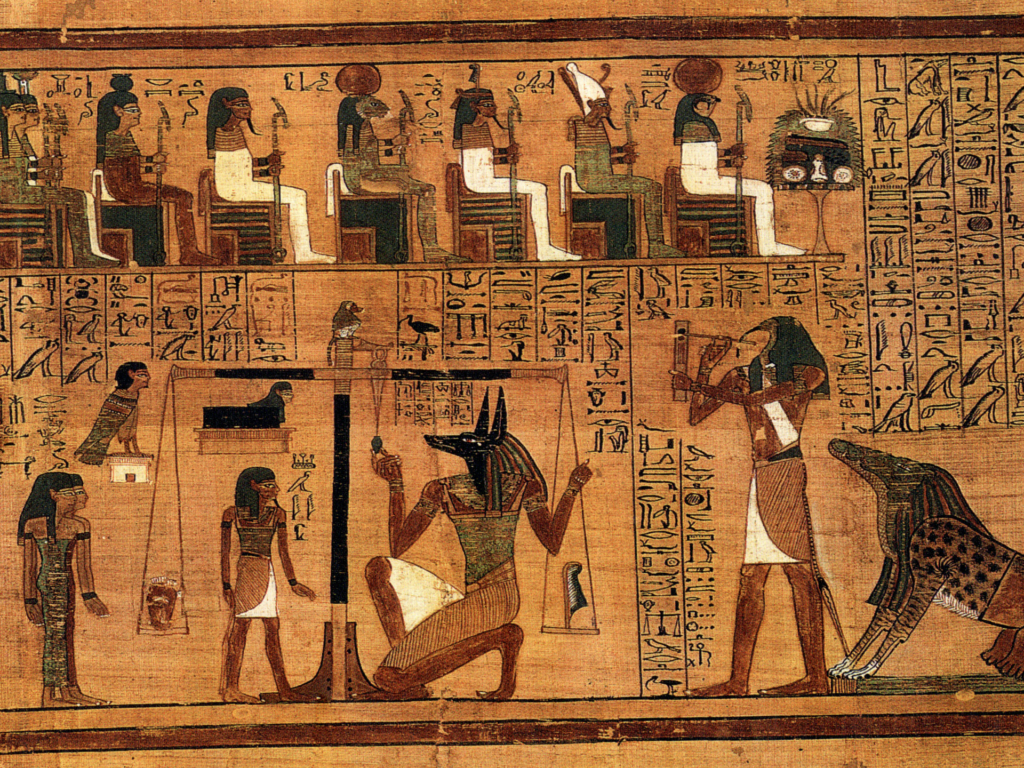
That last point deserves a moment’s attention. The heart-as-seat-of-perception was not a Greek quirk: it was the dominant view across much of the ancient Mediterranean world. Ancient Egyptian mortuary practice preserved the heart while routinely discarding the brain, which was typically removed through the nasal cavity and disposed of, which is a telling editorial choice that reflects the belief that the heart evaluated sensory information and directed behavior (Brandt & Huppert, 2021; Clarke & O’Malley, 1996).
The assumption was so widespread that challenging it required something close to intellectual courage.
The challenge came, perhaps unexpectedly, from medicine. Alcmaeon of Croton (fl. 5th century BCE), a physician in the Pythagorean tradition, proposed that the eyes were connected to the brain through specialized channels, one of the earliest known attempts to associate sensory experience with neural structures of the brain rather than the heart (Brandt, Dieterich, & Huppert, 2024). His observations implied that sensation and cognition were organized centrally, and that the brain, not the chest, was the more plausible seat of both.
The cephalocentric view (brain-centered) was further developed by Hippocrates and later Galen. In On the Sacred Disease, Hippocrates argued that:
Thus I hold that the brain is the most powerful organ of the human body […] Eyes, ears, tongue, hands and feet act in accordance with the discernment of the brain […] Some people say that the heart is the organ with which we think, and that it feels pain and anxiety. But it is not so.
Hippocrates, On the Sacred Disease (trans. Potter, 2023, XIX–XX).
Several centuries later, Galen reinforced this position through systematic anatomical investigation, mapping the brain’s network of nerves as the primary infrastructure of sensation and cognition (Elsner & Lüer, 2000). By the time Aristotle arrived to build his systematic theory, the ground was already contested.
The cardiocentric model still carried considerable cultural weight; the cephalocentric case had been built for over a century. He inherited an unresolved debate, and his response to it would shape discussions of perception for the next two millennia.
Aristotle and the systematization of the senses
The most influential account of perception in the ancient world was developed by Aristotle in De Anima (On the Soul) around 350 BCE. Building on the cardiocentric versus cephalocentric debate he inherited, Aristotle sought to create a comprehensive framework explaining not only how the senses function, but how sensory experience becomes meaningful.
The result was something far more sophisticated than a simple list, though the list is what most people remember.
The five external senses he formalized (sight, hearing, smell, taste, and touch) each corresponded to a specific type of perceptible quality and operated through a particular medium. Vision required a transparent medium such as air or water; hearing depended on the transmission of sound through air. Each sense, in Aristotle’s framework, accurately detects its own proper object.
But Aristotle was already aware that this was not the whole story. He distinguished between “proper sensibles”, qualities unique to one sense, such as colour for sight or pitch for hearing; and “common sensibles,” including movement, shape, size, number, and rest, which can be perceived through multiple senses simultaneously (Sepper, 2015). The shape of a stone can be both seen and felt. The movement of a horse can be perceived through sight, hearing, and the vibration of hoofbeats through the ground.
Each sense has one kind of object which it discerns, and never errs in reporting that what is before it is colour or sound […] ‘Common sensibles’ are movement, rest, number, figure, magnitude; these are not peculiar to any one sense, but are common to all.
Aristotle, De Anima, II.6 (trans. J. A. Smith)
This insight led to what may be Aristotle’s most underappreciated contribution to the history of perception: the concept of κοινὴ αἴσθησις (koine aisthesis), later translated into Latin as sensus communis. Often rendered in English as “common sense,” this had nothing to do with practical judgment. It referred to an internal faculty responsible for integrating information from different senses into a coherent experience of reality.
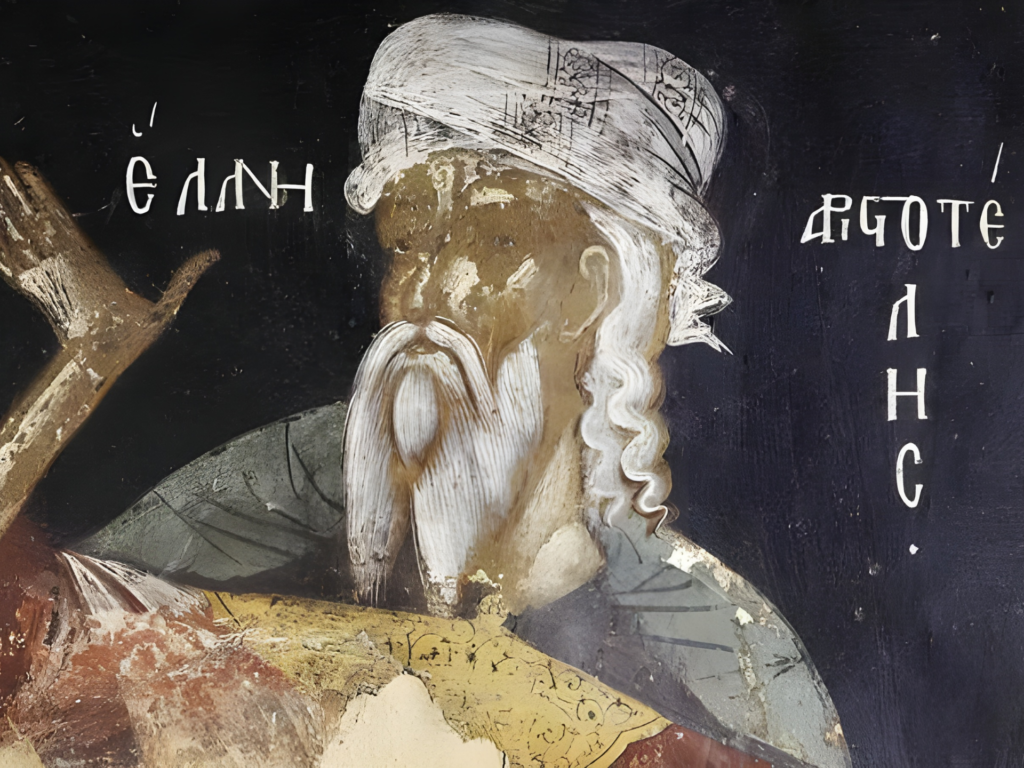
To return to the horse: what allows us to recognize its movement, sound, and presence as belonging to a single animal is koine aisthesis. Without such an integrative faculty, perception would fragment into disconnected impressions rather than a unified experience of the world. Aristotle’s theory thus extended well beyond the famous five and introduced the idea that perception depends on internal processes of integration, a concept that would prove extraordinarily fertile.
The influence of sensus communis would extend far beyond antiquity. Medieval Islamic, Jewish, and Latin philosophers would expand it into a sophisticated system of “inner senses”, such as imagination, memory, estimation, fantasy, that governed the space between raw sensation and rational thought. Aristotle did not classify these as separate senses, but his work laid the foundation for those who did.
The hidden senses of Islamic and medieval philosophy
Aristotle’s theory was never simply accepted and repeated. It was argued over, refined, and substantially extended, most importantly by the Islamic philosophical tradition that preceded and shaped medieval European thought. The central question was: what happens after sensory information is received and integrated? What are the cognitive stages between sensation and rational understanding?
The most influential answer came from Avicenna (Ibn Sīnā, 980–1037), whose Kitāb al-Nafs (Book of the Soul) expanded Aristotle’s koine aisthesis into a detailed system of five internal senses (Romero Carrasquillo, 2011). The logic was elegant: just as humans possess five external senses for gathering information from the world, they also possess five internal faculties for processing it.
- Common sense (al-ḥiss al-mushtarak): receives and unifies input from the five external senses.
- Retentive imagination (al-khayāl): stores sensory images after the object is gone.
- Compositive imagination (al-mutakhayyila): combines and manipulates those stored images.
- Estimative faculty (al-wahm): apprehends non-sensory meanings embedded in experience.
- Memory (al-dhākira): preserves meanings over time.
Of these, the estimative power (al-wahm) was particularly innovative. Avicenna observed that animals often respond to meanings that cannot be reduced to sensory qualities alone. A sheep perceives not only the wolf’s shape, color, and movement, but instinctively recognizes it as dangerous. This judgment arises not from reasoning but from a distinct faculty that apprehends intentions or meanings embedded within sensory experience (Romero Carrasquillo, 2011). It is, in other words, a perception of significance rather than just form.
Avicenna’s model rested on a precise principle: different cognitive operations require different faculties. A faculty capable of receiving sensory forms must remain receptive and flexible; a faculty responsible for storing them must remain stable. Active operations such as combining and separating mental images cannot be performed by the same faculty that merely receives them. From these assumptions emerged a hierarchical system linking external sensation upward toward intellectual activity.
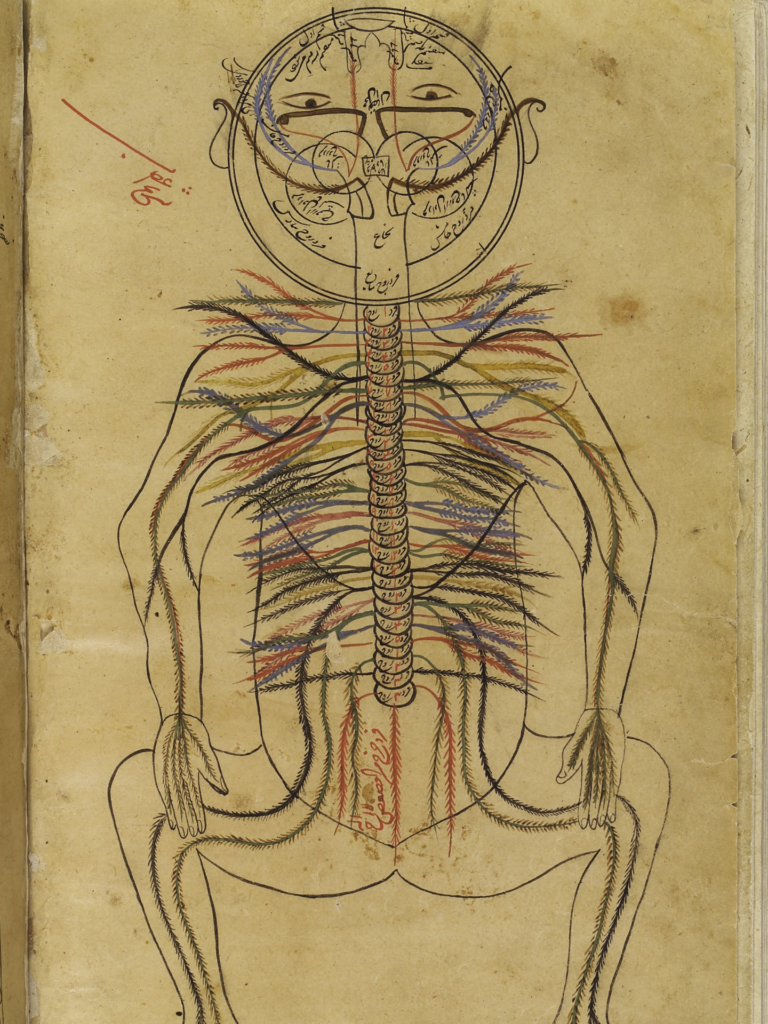
The influence of this model spread throughout both the Islamic world and medieval Europe. Averroes (Ibn Rushd, 1126–1198) pushed back, questioning whether so many distinct internal faculties were actually necessary and trying to bring psychology closer to what he regarded as Aristotle’s original intent (Romero Carrasquillo, 2011). But the broader architecture survived his critique.
In the Latin West, Albertus Magnus (c. 1200–1280) and Thomas Aquinas (1225–1274) adapted these ideas within a Christian philosophical framework (Inner Sense, n.d.). Aquinas described the sensus communis as the “root and principle” of the external senses, responsible for combining sensory impressions into a unified experience. Alongside it, he recognized imagination (imagination/phantasia), memory (memoria/vis memorativa), and the estimative faculty (vis aestimativa). In human beings, however, he argued that the estimative faculty is replaced by the vis cogitativa – the “cogitative power” or particular reason, a faculty that allows humans not only to react instinctively but also to form particular judgments (Summa Theologiae, Ia, q. 78, a. 4).
By the late Middle Ages, perception was no longer understood as the operation of five isolated senses. It had become a layered process in which sensory information passed through a series of internal faculties (integration, imagination, memory, judgment, abstraction) before reaching the intellect.
Long before modern psychology or neuroscience, medieval thinkers were already mapping the cognitive architecture between sensation and thought.
The sixth sense in Buddhism and Indian philosophy
While European philosophers were debating how many inner faculties to place between sensation and intellect, Indian philosophical traditions were asking a more fundamental question: why treat the mind as separate from the senses at all?
Many Indian schools regarded the mind as a sensory faculty in its own right. Perception, in this view, was not just the reception of information from the external world, but a dynamic interaction between sensory experience, mental activity, and consciousness itself. It is a frame that feels unexpectedly modern, and it precedes Avicenna by several centuries.
The most influential formulation of this idea emerged in Buddhism through the doctrine of the six sense bases (sadāyatana). Rather than the familiar five, Buddhist traditions describe six internal sense bases: eye, ear, nose, tongue, body, and mind (citta or manas) (Rigpa Wiki, 2023). Each gives rise to its own form of consciousness. Just as the eye perceives visible forms and the ear perceives sounds, the mind perceives thoughts, memories, emotions, and intentions, treating them as legitimate objects of perception in the same way that colors and sounds are (Bhikkhu Sujato, 2018).
The implications are significant. What many Western traditions treated as cognition, thinking, feeling, and remembering, Buddhist philosophy treats as perception. The “sixth sense” was not supernatural. It was the ordinary capacity to become aware of one’s own mental states.
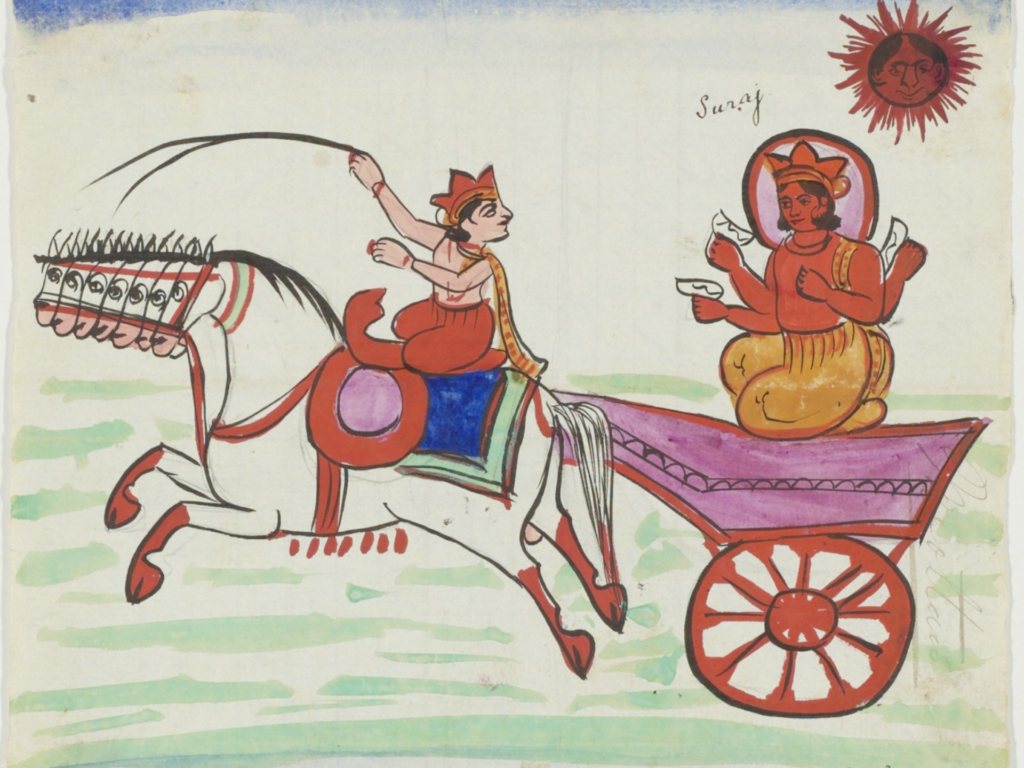
The roots of this idea reach even further back. The Katha Upanishad (c. 6th century BCE) compares the human being to a chariot: the senses are the horses, the body is the chariot itself, and the mind serves as the charioteer directing their movement (Hume, 1921; Rudan, 2024). The metaphor emphasizes that perception depends not only on the senses but on the faculty that coordinates them. In the Nyāya tradition, manas is regarded as an internal sensory organ responsible for mediating awareness of pleasure, pain, thought, desire, and self-cognition (Sarat Centenary College, Department of Philosophy, n.d.).
Know thou the soul (ātman, self) as riding in a chariot. The body as the chariot. Know thou the intellect (buddhi) as the chariot-driver, and the mind (manas) as the reins. The senses (indriya), they say, are the horses; the objects of sense, what they range over. The self combined with senses and mind wise men call ‘the enjoyer’ (bhoktr). He who has not understanding (a-vijñāna), whose mind is not constantly held firm, his senses are uncontrolled, like the vicious horses of a chariot-driver. He, however, who has understanding, whose mind is constantly held firm, his senses are under control, like the good horses of a chariot-driver.
Katha Upanishad. (as cited in Hume, 1921)
What distinguishes these traditions from both the Aristotelian model and the medieval inner-sense framework is their refusal to treat consciousness as a downstream product of sensation. Here, mental awareness is an active participant in the act of sensing itself, not an interpreter of sensory reality.
The heart-mind and embodied perception in classical China
Indian and Buddhist traditions were not alone in challenging the idea of five isolated senses. In ancient China, sensory experience was understood within a broader framework that linked perception, emotion, cognition, and bodily awareness as aspects of a single, integrated process. Sensation was never purely physiological; it was always also moral, relational, and cosmic.
Central to this understanding was the concept of xīn (心), often translated as the “heart-mind.” Unlike the modern Western distinction between heart and brain, or, for that matter, the ancient debate between cardiocentric and cephalocentric models we traced at the beginning of this article, xīn referred simultaneously to emotional, cognitive, and perceptual functions. Philosophers such as Mèngzǐ (c. 372–289 BCE) regarded the heart-mind as the faculty responsible for interpreting and organizing sensory experience, while the senses themselves merely provided access to the external world (Yao, 2023).
Xúnzǐ (c. 310–238 BCE) described the heart’s overarching role with characteristic precision:
The heart possesses an overall understanding. Because of this overall understanding, it may rely upon the perception of the ear and understand sounds correctly or rely upon the perception of the eye and understand forms correctly.
Xúnzǐ. (as cited in Sun, 1998)
The senses gather; the heart-mind evaluates, interprets, and gives meaning. In many respects, this resembles Aristotle’s koine aisthesis, but it emerged within a completely different philosophical framework, and it carries a different weight. For Aristotle, integration was primarily a cognitive problem. For Xunzi, it was an ethical and existential one.
The eyes occupied a particularly significant position within this framework. According to classical Chinese medical thought, they functioned as recipients of the essence of the body’s various organs and were associated with two distinct aspects of qì (氣): the hún (魂), often translated as the ethereal or breath soul, and the pò (魄), the corporeal or body soul. Through the eyes, the shén (神; the mind-spirit or consciousness) was made manifest. This connection was understood as genuinely fragile:
When the mind (shén) is exhausted, the breath and body soul and the will (zhì, 志) and thoughts (yì, 意) disperse into chaos (luàn, 亂).
(Sun, 1998).
Perception, in other words, depended not only on the integrity of the sense organs but on the vitality and harmony of the whole person.
This framework produced some original clinical observations. For example, motion sickness and fear of heights, conditions that European medicine at the time had no particularly coherent explanation for, were understood in Traditional Chinese Medicine (TCM) as the result of pathogens such as wind or cold penetrating the body through the neck and disrupting the eye–brain connection through rotation (Brandt et al., 2016). The explanation is physiologically interesting: it locates these disorders in a disrupted relationship between visual input and bodily orientation, which is not entirely unlike the vestibular-visual conflict model that modern medicine now uses. Different framework, different vocabulary, but the clinical intuition is not so far off.
These ideas did not emerge in isolation, but reflected a broader understanding of perception found throughout TCM. The Huángdì Nèijīng (黃帝內經, Inner Canon of the Yellow Emperor), compiled between roughly the second century BCE and second century CE, assigned the major organ systems specific perceptual and emotional functions while largely neglecting the brain, often described merely as a repository of marrow (Brandt & Huppert, 2021). The ability to perceive clearly depended not only on the condition of the sense organs but on the balance of emotions and the overall harmony of the body.
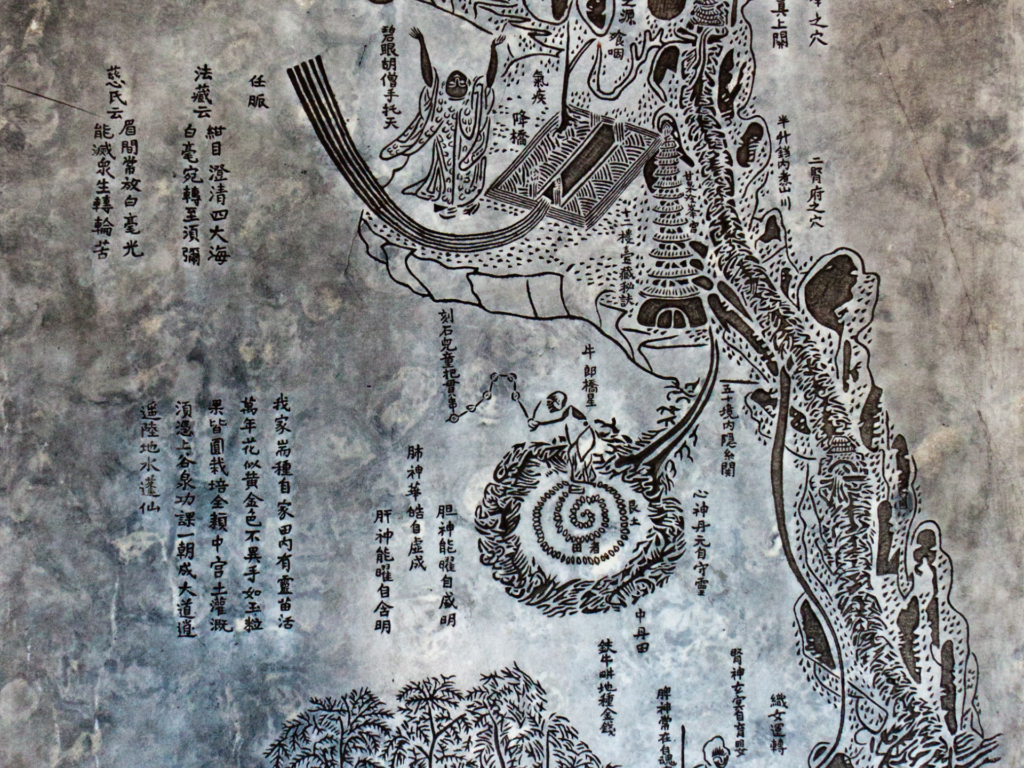
Chinese philosophers also tended to reject any sharp division between body and mind. Knowledge was not understood solely as detached observation but as a form of embodied awareness cultivated through experience, moral development, and harmony with the natural order (Rošker, 2025). This gave rise to concepts such as tǐ rèn (體認), often translated as “embodied understanding” or “bodily recognition”, which emphasized direct, lived engagement with the world rather than abstract cognition alone (Ni, 2002).
Taken together, these traditions reveal a conception of perception that differs markedly from both the Aristotelian and Buddhist models.
Instead of identifying additional senses or additional inner faculties, classical Chinese thinkers emphasized the inseparability of sensation, emotion, cognition, and embodied experience. Perception was not something that happened to a person. It was part of a larger process through which human beings came to understand themselves, society, and the cosmos (Brandt & Huppert, 2021; Rošker, 2025).
From soul to mechanism in the Scientific Revolution
By the Renaissance, many of the symbolic and holistic models of perception that had characterized antiquity and the Middle Ages were beginning to give way. The change was gradual, and it was not simply a matter of better information, but a shift in what kind of explanation was considered satisfying. Rather than viewing perception through the lenses of cosmology, theology, or the powers of the soul, scholars increasingly sought explanations grounded in anatomy, observation, and natural philosophy (Coronado Schwindt, 2020).
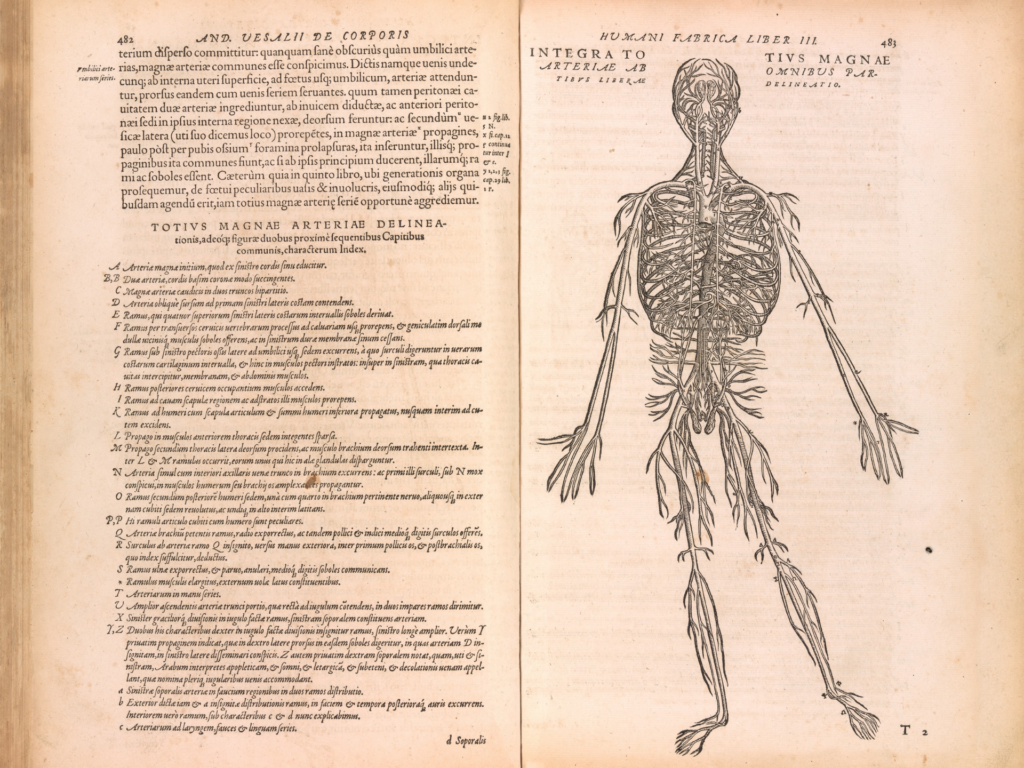
Figures such as Leonardo da Vinci (1452–1519) and Andreas Vesalius (1514–1564) helped establish a new anatomical perspective in which the body could be examined independently of inherited symbolic frameworks. Vesalius’s De humani corporis fabrica (1543) marked a turning point by shifting intellectual authority away from classical doctrine and toward direct observation through dissection (Coronado Schwindt, 2020). The body became an object of investigation rather than a symbol of cosmic order.
At the same time, vision assumed an increasingly privileged position within European thought. Renaissance theories of optics, perspective, and visual representation elevated sight as the most reliable path to knowledge. Because it operated at a distance and appeared to provide direct access to external reality, it came to be regarded as the noblest and most objective of the senses (Coronado Schwindt, 2020). The telescope and microscope only reinforced this equation: to see was to know.
The philosophers of the Scientific Revolution helped formalize this shift. Francis Bacon argued that reliable knowledge should be grounded in observation, experience, and the careful study of nature rather than inherited authority, helping to establish the empirical foundations of modern science (Bacon, 1902). Within this emerging intellectual climate, René Descartes reinterpreted sensation in mechanistic terms, locating perception within the physiology of nerves and the brain rather than the soul’s inner faculties. John Locke later distinguished between sensation and reflection, treating awareness of mental processes as a form of “internal sense” within an empiricist framework, which is an intriguing echo, if a distant one, of the Buddhist manas we encountered earlier.
As vision became the dominant model for knowledge, the other senses lost status. Smell and taste were increasingly regarded as subjective and animalistic; touch was reduced to a collection of tactile sensations requiring physiological explanation (Brandt, Dieterich, & Huppert, 2024). The ideal observer was imagined as detached, objective, and dispassionate. Perception became the collection of sensory data rather than participation in a meaningful world.
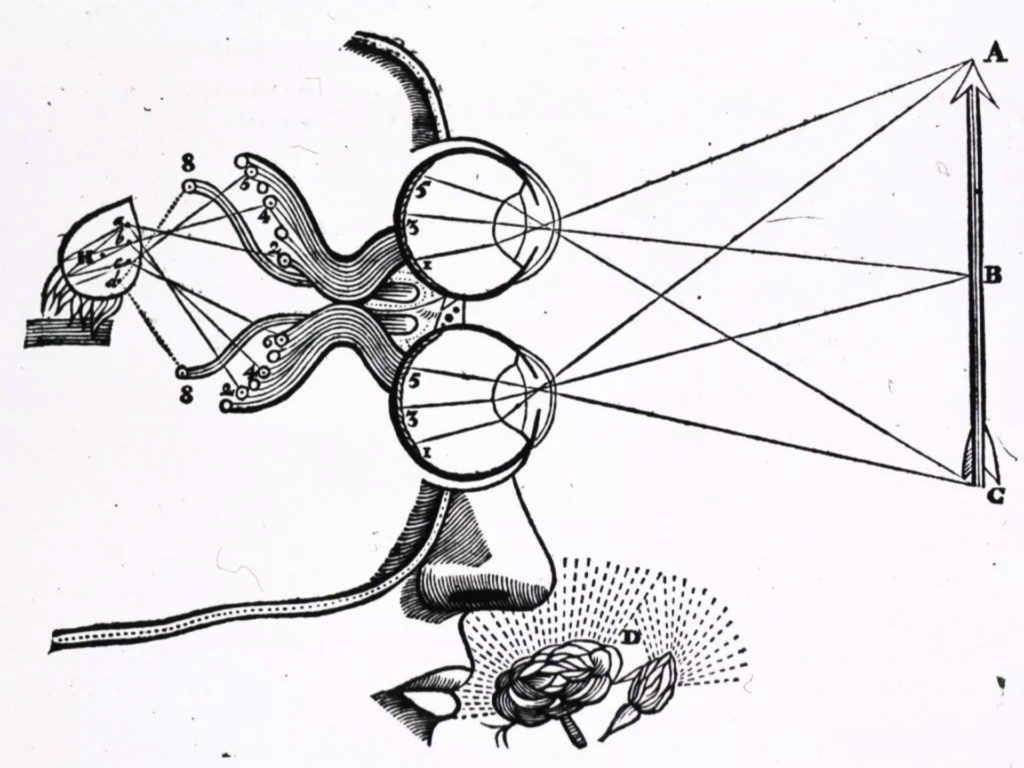
Yet the story did not end there, and the ending, when it came, was somewhat ironic. During the nineteenth century, the emerging sciences of physiology and neurology began revealing that human perception was far more complex than the traditional five-sense model had ever suggested. Johannes Peter Müller proposed his doctrine of specific nerve energies, arguing that the quality of a sensation depends on the structure of the nervous system rather than on the stimulus alone. Hermann von Helmholtz investigated the physiological mechanisms underlying vision and hearing (Brandt, Dieterich, & Huppert, 2024). And researchers began discovering sensory systems that had been entirely absent from the classical framework.
The scientific tradition that had helped establish the five-sense model was beginning, quietly, to undermine it.
How neuroscience moved beyond the five senses
By the early twentieth century, it was becoming clear that the nervous system gathers information not only from the external world but also from within the body itself. The concept of a “sense” was expanding, whether anyone had voted on it or not.
A pivotal figure in this transformation was the British physiologist Charles Scott Sherrington (1857–1952). In his studies of reflexes and nervous-system organization, Sherrington introduced a crucial distinction between exteroception, proprioception, and interoception (Brandt, Dieterich, & Huppert, 2024), a taxonomy that has become foundational in contemporary sensory science.
- Exteroception: perception of stimuli originating outside the body; the familiar five senses belong here.
- Proprioception: the body’s awareness of its own position and movement, via receptors in muscles, tendons, and joints.
- Interoception: signals arising from within the body, such as heartbeat, respiration, hunger, blood pressure, immune activity, and much more.
Of these, interoception has attracted the most remarkable recent attention. Originally, Sherrington used the term narrowly to describe signals from internal organs. Today, the concept has expanded considerably: contemporary researchers define interoception as the sensing, integration, and interpretation of signals arising from within the body, including processes that operate entirely outside conscious awareness (Khalsa et al., 2018; Tallon-Baudry, 2025). Early physiological research (including Pavlov’s) demonstrated that internal bodily signals continuously influence behavior and emotional responses even when we are completely unaware of them (Tallon-Baudry, 2025).
More recently, neuroscientists have proposed that interoceptive signaling may contribute to our sense of self, bodily ownership, and subjective experience: the feeling of being a conscious individual may depend in part on the brain’s ongoing conversation with the body (Engelen et al., 2023).
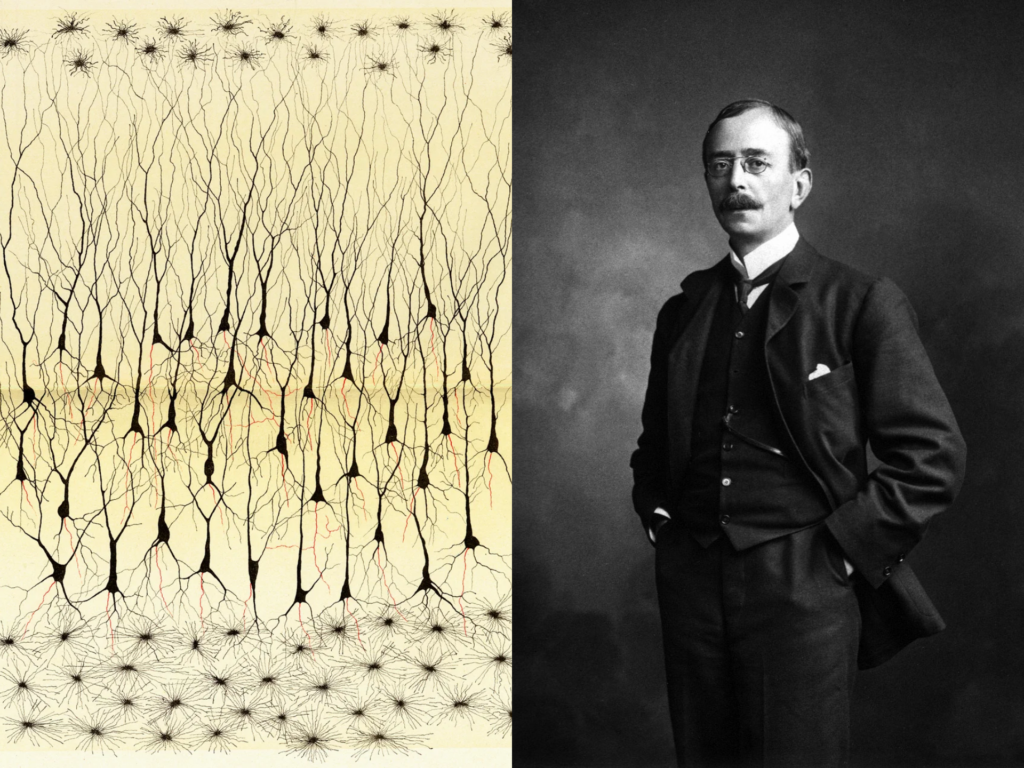
This brings us to an unexpected convergence: Aristotle’s koine aisthesis, the Buddhist sixth sense, Avicenna’s inner faculties, the Chinese xīn – each of these, in very different ways, attempted to explain aspects of experience that extend beyond the classical five senses: the integration of sensation with cognition, the awareness of inner states, the participation of the mind in perception.
Modern neuroscience approaches these questions through receptors and neural pathways rather than philosophy or theology. But it has arrived at some strikingly similar conclusions about how rich, and how strange, human perception actually is.
What actually counts as a sense?
Before asking how many senses humans have, it is worth pausing on a more fundamental question: what actually qualifies as a sense?
In contemporary neuroscience, a sense is typically defined as a sensory modality: a class of information detected by specialized receptors that convert physical or chemical stimuli into neural signals and transmit that information to the central nervous system (Marzvanyan & Alhawaj, 2023).
Unlike historical or philosophical definitions, which often focused on conscious experience, modern sensory science tends to define senses according to their underlying biology.
Most neuroscientists rely on three criteria:
- A characteristic stimulus – light, sound waves, temperature, mechanical pressure, and so on.
- Specialized receptors capable of detecting that stimulus.
- Identifiable neural pathways that transmit the information and contribute to perception, regulation, or behavior.
(Marzvanyan & Alhawaj, 2023)
This apparently simple framework has significant consequences. If all information arriving through the skin is grouped together, touch appears to be a single sense. If researchers distinguish between different receptor systems and neural pathways – pressure, vibration, temperature, pain, itch, hair movement, affective touch – touch becomes multiple modalities. The total number of senses therefore depends partly on how finely one chooses to classify them.
OpenStax Anatomy & Physiology explicitly acknowledges this ambiguity, noting that the number of sensory modalities can plausibly rise into the teens when submodalities are counted separately (Betts et al., 2022). The familiar five, in this framework, become only a small subset of a much larger sensory landscape.
Beyond the classical five: additional human senses
Once neuroscientists began looking beyond the traditional model, a far more complex picture emerged. Some of these sensory systems operate so seamlessly that we rarely notice them, which makes them easy to overlook, but no less real.
Proprioception: knowing where you are
Often called the “sixth sense,” proprioception is the body’s ability to perceive its own position and movement. Specialized receptors in muscles, tendons, and joints continuously inform the brain about limb position and the forces being exerted.
Touch your nose with your eyes closed. Walk up stairs in the dark. Pick up a glass without calculating every finger position. Proprioception is what makes all of this possible. Not sight, not touch in the conventional sense, but a constant internal map of the body’s location in space (Brandt, Dieterich, & Huppert, 2024).
Equilibrioception: the sense of balance
Closely related is equilibrioception, the vestibular sense housed within the inner ear, which detects gravity, acceleration, and changes in head position. It allows us to remain upright, maintain balance while moving, and stabilize our vision when the head moves.
Evolutionary biologists trace its origins to primitive gravity-detecting structures in ancient invertebrates hundreds of millions of years ago. Despite this ancient pedigree, the vestibular system remained poorly understood until the nineteenth century, when researchers including Jan Evangelista Purkyně, Ernst Mach, Josef Breuer, and Alexander Crum Brown began laying the foundations of modern vestibular research (Brandt, 1991; Cohen, 1984; Henn & Young, 1975).
Thermoception: heat and cold as distinct modalities
The ability to distinguish warmth from cold may seem like an obvious component of touch, but modern neuroscience treats temperature perception as a distinct sensory modality. Specialized thermoreceptors embedded in the skin respond to temperature changes and transmit information through dedicated neural pathways.
The sensation of a warm mug on a cold morning, or bare feet on a stone floor, depends on this system rather than touch in the conventional sense (Betts et al., 2022).
Nociception: the sense that protects
Pain is often treated as an emotion or feeling, but physiologically, it begins as a sensory process. Specialized receptors called nociceptors detect potentially damaging stimuli, e.g., extreme heat, excessive pressure, tissue injury, and function as an early warning system.
Crucially, nociception and pain are not the same thing. Nociception is the detection of danger; pain is the conscious experience that may or may not follow. This distinction has become increasingly important in modern pain research (Betts et al., 2022).
Interoception: the hidden sense
If there is a modern contender for the title of most consequential underappreciated sense, it is interoception. Unlike sight or hearing, interoception monitors the internal state of the body: hunger, thirst, fullness, heartbeat, breathing, blood pressure, immune activity, and countless other physiological processes (Khalsa et al., 2018).
For much of the twentieth century, these signals received relatively little scientific attention. Today, interoception has become one of the most active areas of neuroscience research, with mounting evidence that internal bodily signals contribute not only to physiological regulation but to emotion, decision-making, and the sense of self (Engelen et al., 2023; Tallon-Baudry, 2025).
Itch, affective touch, and emerging candidates
Recent research has also suggested that some sensations traditionally grouped together deserve recognition as distinct systems.
- Itch appears to involve specialized receptors and neural pathways rather than simply representing a mild form of pain.
- Gentle, caress-like touch activates a network of nerve fibres known as C-tactile afferents that appear to be involved in comfort, bonding, and social connection rather than object recognition.
Whether these should be counted as fully independent modalities remains a matter of debate, but they illustrate how much complexity remains beneath the surface of even the most familiar sensations (Betts et al., 2022).
Conclusion: more than five senses and still counting
The story of the five senses is one of the most enduring ideas in Western education, and also one of the most misleading. What this survey reveals is that human beings have rarely agreed on how many senses we possess, where perception occurs, or how sensory experience becomes meaningful.
Ancient Egyptians and early Greek philosophers located perception in the heart. Alcmaeon and Hippocrates moved it to the brain. Aristotle formalized the five external senses, but also introduced koine aisthesis, a sixth, integrative faculty that his successors would spend centuries elaborating. Avicenna mapped five inner senses between sensation and intellect. Buddhist traditions counted the mind itself among the sensory faculties. The Chinese xīn refused the distinction between sensation, cognition, and emotion altogether. The Renaissance narrowed perception toward anatomy and mechanism. And then modern neuroscience opened it back up again, discovering sensory systems: proprioception, interoception, the vestibular system, that the classical model had never accounted for.
The greatest irony is that the scientific tradition which helped popularize the five-sense model ultimately demonstrated its inadequacy. The more closely researchers have examined the human body and nervous system, the more sensory systems they have found. In this respect, modern neuroscience has brought us unexpectedly close to the realization that many earlier traditions had already intuited: human experience cannot be fully reduced to five isolated channels of perception.
From Aristotle’s koine aisthesis to the Buddhist sixth sense, from Avicenna’s al-wahm to modern theories of interoception, each tradition has grappled with the same enduring question: how does sensation become experience? How does physical information become something felt? Where, exactly, does the body end and the self begin?
More than two thousand years after Aristotle’s famous list, the question remains open. We know vastly more about receptors, neural pathways, and brain networks than our predecessors ever could. And yet we are still tracing the outer edges of perception itself. The history of the senses is a reminder that what seems obvious in one era may be incomplete in the next, and that the ways we experience reality are often richer and stranger than our theories allow.

References
Aquinas, T. (1947). Summa theologica (Fathers of the English Dominican Province, Trans.). Benziger Bros. (Original work written 1265–1274)
Aristotle. (n.d.). De anima (On the soul) (J. A. Smith, Trans.). Classics in the History of Psychology. https://psychclassics.yorku.ca/Aristotle/De-anima/index.htm (Original work written ca. 350 BCE)
Bacon, F. (1902). Novum organum (J. Devey, Ed.). P. F. Collier. (Original work published 1620)
Betts, J. G., Young, K. A., Wise, J. A., Johnson, E., Poe, B., Kruse, D. H., Korol, O., Johnson, J. E., Womble, M., & DeSaix, P. (2022). Anatomy and physiology (2nd ed.). OpenStax.
Bhikkhu Sujato. (2018). Saḷāyatanavibhaṅgasutta: The exposition of the analysis of the six sense fields (MN 137). SuttaCentral.
Brandt, T. (1991). Man in motion: Historical and clinical aspects of vestibular function. A review. Brain, 114(5), 2159–2174. https://doi.org/10.1093/brain/114.5.2159
Brandt, T., Bauer, M., Benson, J., & Huppert, D. (2016). Motion sickness in ancient China: Seasickness and cart-sickness. Neurology, 87(3), 331–335. https://doi.org/10.1212/WNL.0000000000002871
Brandt, T., Dieterich, M., & Huppert, D. (2024). Human senses and sensors from Aristotle to the present. Frontiers in Neurology, 15, Article 1404720. https://doi.org/10.3389/fneur.2024.1404720
Brandt, T., & Huppert, D. (2021). Brain beats heart: A cross-cultural reflection. Brain, 144(6), 1617–1620. https://doi.org/10.1093/brain/awab080
Clarke, E., & O’Malley, C. D. (1996). The human brain and spinal cord. Norman Publishing.
Cohen, B. (1984). Erasmus Darwin’s observations on rotation and vertigo. Human Neurobiology, 3, 121–128.
Coronado Schwindt, G. (2020). Human senses in Renaissance science. In M. Sgarbi (Ed.), Encyclopedia of Renaissance philosophy. Springer. https://doi.org/10.1007/978-3-319-02848-4_929-1
Elsner, N., & Lüer, G. (2000). Das Gehirn und sein Geist. Wallstein Verlag.
Engelen, T., Solca, M., & Tallon-Baudry, C. (2023). Interoceptive rhythms in the brain. Nature Neuroscience, 26, 1670–1684. https://doi.org/10.1038/s41593-023-01425-1
Henn, V., & Young, L. R. (1975). Ernst Mach on the vestibular organ 100 years ago. ORL, 37(3), 138–148. https://doi.org/10.1159/000275218
Hippocrates. (2023). On the sacred disease (P. Potter, Ed. & Trans.). Harvard University Press.
Hume, R. E. (1921). The thirteen principal Upanishads. Oxford University Press.
Inner senses. (n.d.). In Encyclopedia of Philosophy. Encyclopedia.com. Retrieved May 29, 2026, from https://www.encyclopedia.com/humanities/encyclopedias-almanacs-transcripts-and-maps/inner-senses
Isaac, A. M. C. (2019). Realism without tears I: Müller’s doctrine of specific nerve energies. Studies in History and Philosophy of Science Part A, 74, 1–11.
Khalsa, S. S., Adolphs, R., Cameron, O. G., Critchley, H. D., Davenport, P. W., Feinstein, J. S., Feusner, J. D., Garfinkel, S. N., Lane, R. D., Mehling, W. E., Meuret, A. E., Nemeroff, C. B., Oppenheimer, S., Petzschner, F. H., Pollatos, O., Rhudy, J. L., Schramm, L. P., Simmons, W. K., Stein, M. B., Stephan, K. E., … Interoception Summit 2016 participants. (2018). Interoception and mental health: A roadmap. Biological Psychiatry: Cognitive Neuroscience and Neuroimaging, 3(6), 501–513. https://doi.org/10.1016/j.bpsc.2017.12.004
Marzvanyan, A., & Alhawaj, A. F. (2023). Physiology, sensory receptors. In StatPearls. StatPearls Publishing.
Ni, P. (2002). Practical humanism of Xu Fuguan. In C.-Y. Cheng & N. Bunnin (Eds.), Contemporary Chinese philosophy (pp. 281–304). Blackwell Publishers.
Rahman, F. (1987). Avicenna VI. Psychology. In Encyclopaedia Iranica (Vol. 3, Fasc. 1, pp. 83–84).
Rigpa Wiki. (2023, September 14). Twelve ayatanas. https://www.rigpawiki.org/index.php?title=Twelve_ayatanas
Romero Carrasquillo, F. J. (2011). An abstractionist correction of Avicenna’s theory of intentionality in the early Averroes. Acta Philosophica, 20(2), 405–420.
Rošker, J. (2025). Epistemology in Chinese philosophy. In E. N. Zalta & U. Nodelman (Eds.), The Stanford encyclopedia of philosophy (Summer 2025 ed.). https://plato.stanford.edu/archives/sum2025/entries/chinese-epistemology/
Rudan, I. (2024). Is the brain’s perception of ideas an underappreciated human sense? Journal of Global Health, 14, Article 01002.
Sarat Centenary College, Department of Philosophy. (n.d.). Nyaya: The definition of perception and classification.
Sepper, D. L. (2015). Common sense. In L. Nolan (Ed.), The Cambridge Descartes lexicon (pp. 141–143). Cambridge University Press.
Sun, S. (1998). Essential subtleties on the silver sea: The Yin-hai jing-wei: A Chinese classic on ophthalmology (J. Kovacs & P. U. Unschuld, Trans. & Annot.). University of California Press.
Tallon-Baudry, C. (2025). Interoception. In M. C. Frank & A. Majid (Eds.), Open encyclopedia of cognitive science. MIT Press.
Yao, X. (2023). Embodied mind and embodied knowing. Journal of Chinese Philosophy, 50(2), 183–195.


Leave a Reply